SAVE AMANI (Steam)
N/A
Oct 1st, 2026
 3% cashback på dette køb
Beskrivelse
A Word from the Author of Save AmaniWe didn't want to make a game where you "win"
When we first decided to make *Save Amani*, one thing was very clear to us: a child should not have a gun in their hands.
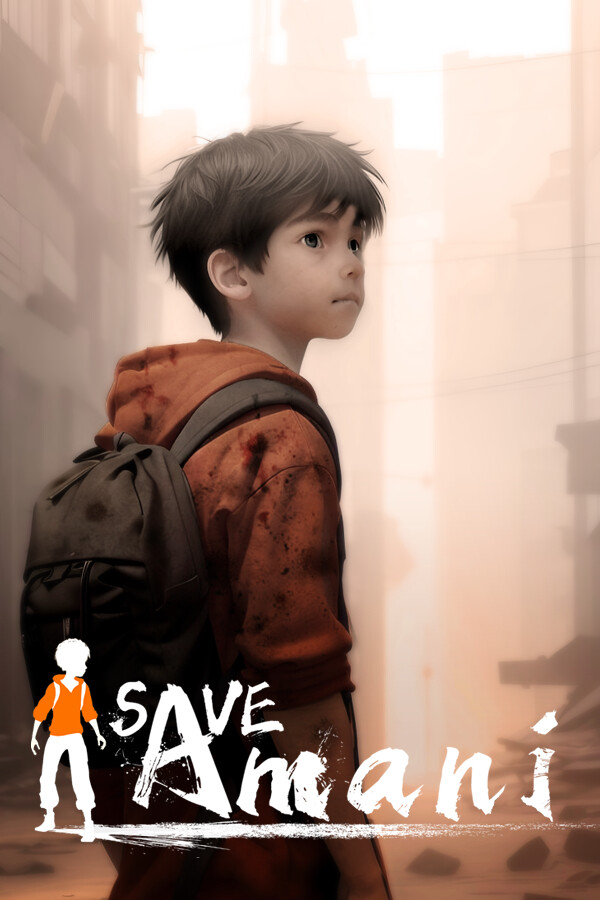
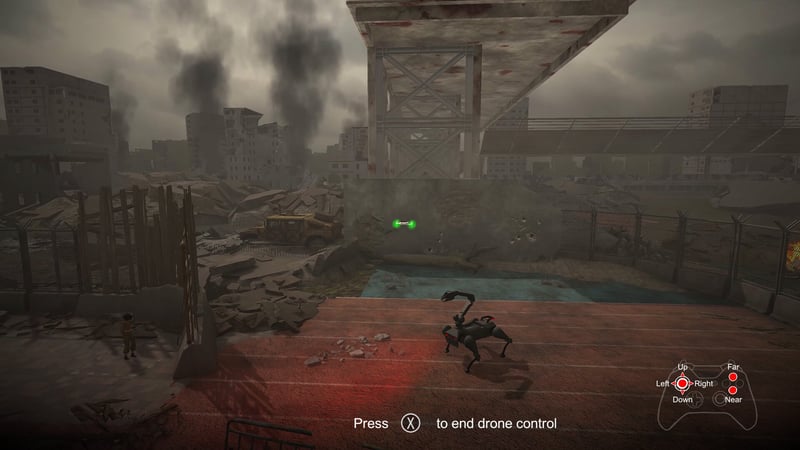
There are far too many war-themed games out there, and the vast majority put you in the boots of a soldier—you pull the trigger and you win. But what we wanted to portray was the person in war with the least ability to fight back: a child. Amani lost his parents in the war. All he has to do is cross the ruins and find his grandparents. He has no weapon, no stamina—he can't even run fast. All he can do is hide, stay out of sight, wait, and use a palm-sized toy drone to draw away the machines that could kill him at any moment.
"Amani" means "peace" in Swahili. We gave the protagonist this name to make our point clear from the very beginning: this game is not about combat. It's about a child named "Peace" trying to survive in a world that has lost peace.
Ruins Are More Than a Backdrop
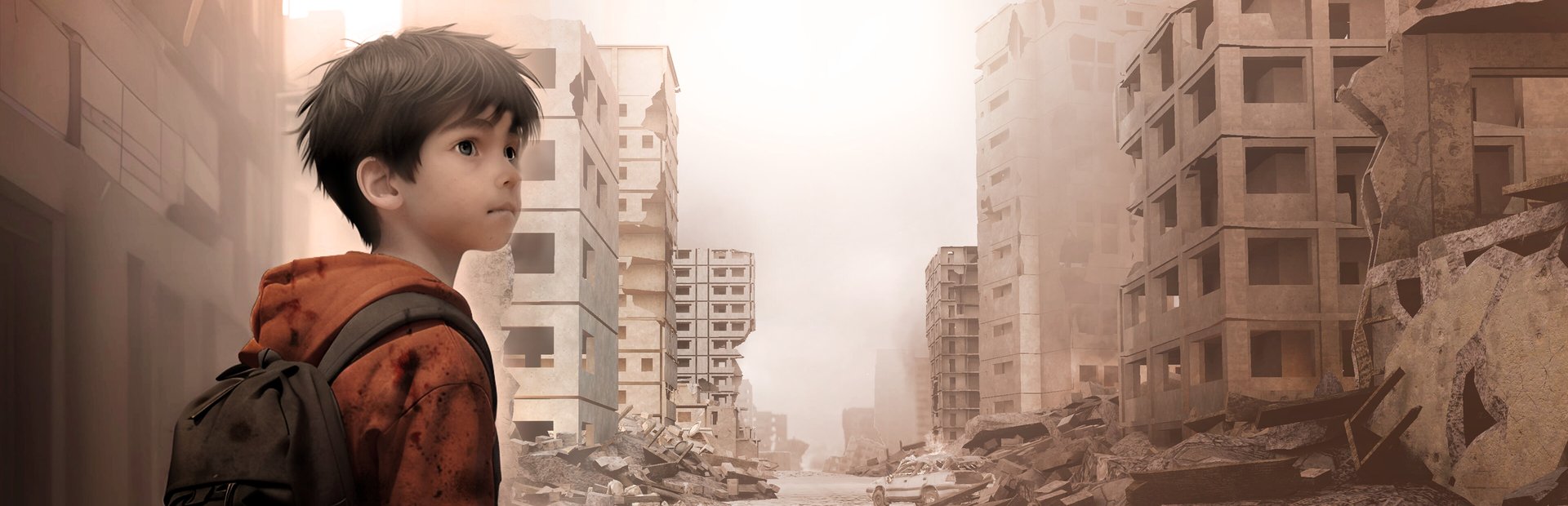
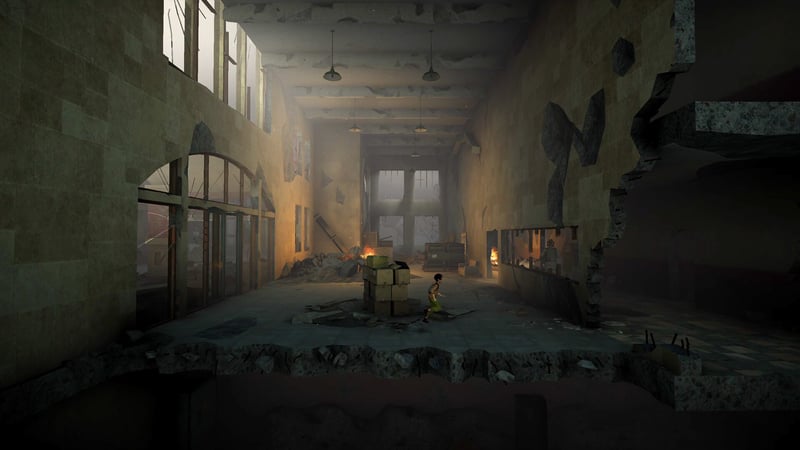
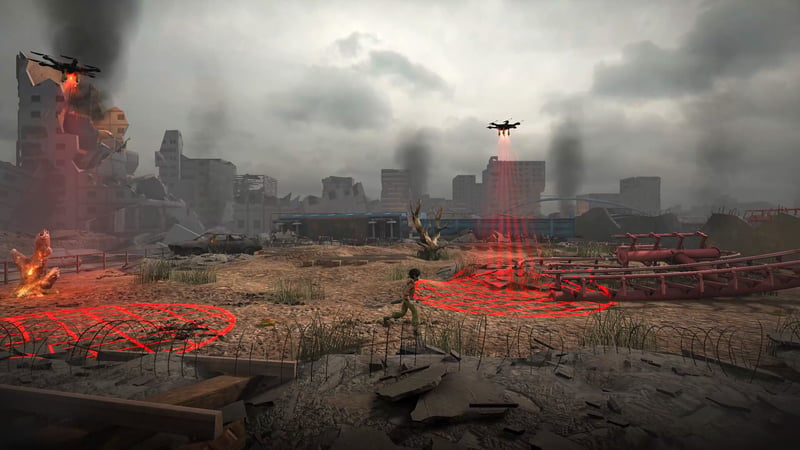
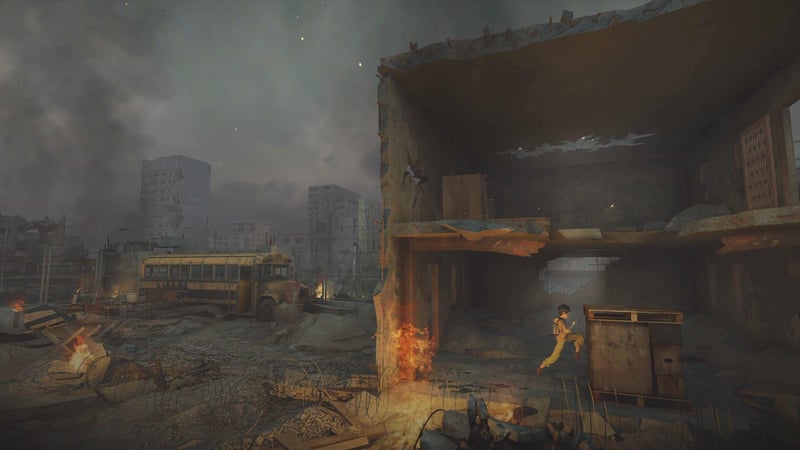
We put a lot of effort into recreating a city destroyed by modern warfare. Broken walls, smoke, a grey sky, armed soldiers, patrol drones, robotic dogs, landmines—these things are not level elements meant to "challenge the player." They are themselves what we want to say. A child walking down such a street could step on death at every turn, and he has done nothing wrong.
The bridge scene is where this expression is most concentrated. Amani walks onto the bridge and, for the first time from an open vantage point, sees the whole city bombed beyond recognition. He stops, prays, and then lets out an anguished cry. We gave him no lines, and we used no narration to explain what he is thinking at that moment. A child praying and crying out before the ruins—that image alone is enough. It is the moment when the weight of war on a child finally becomes too much for him to bear. Hearing that cry, the player needs no text prompt to feel the extreme pain the war has brought them.
The VR glasses were one of the first core designs we settled on during development. Amani can find QR codes in the ruins, put on the glasses, and return to the warm, sunlit world from before the war. He smiles. Then the glasses come off, and the grey reality slams back into his face. We didn't write long stretches of dialogue to explain "how cruel war is." We simply make the player experience this switch over and over: show you a few seconds of the life he should have had, then take it away.
Cats, Pigeons, and Those Untended Cages
In the game you can rescue cats and feed pigeons. Some player reviews say this is a tribute to how people in Gaza rescue stray animals. We did indeed put that intention into the environmental storytelling: in a place where a person can barely keep themselves alive, someone is still willing to share a bit of food with a cat—that fact alone says something. The cats guide Amani through desperate situations in the levels, not because we wanted to build a "pet system," but because in that world, kindness is scarce, and therefore it deserves to be seen.
The zoo section was the most painful part for us to design. When war comes, people can run; animals cannot. The cages remain, but the person who fed them is gone. As the player walks past those empty enclosures, no text prompt is needed to understand what happened. What we wanted to say is not just "the animals died," but that war destroys more than people and houses—it grinds an entire everyday, normal, warm order of life into dust. A zoo is supposed to be a place where children go on weekends, not a place to die.
On the Story's Background
A player wrote in a review that it "pays tribute to the rescue of cats during the war in Gaza." We saw it, and we consider that interpretation accurate. We did not put the word "Gaza" in the game. Not out of avoidance, but because we believe that when a work honestly places ruins, drones, a child who lost his parents, and unattended animal cages side by side, the player will complete the remaining connections on their own. We would rather players, after closing the game, think for themselves: images like this are happening somewhere in the world right now.
We want it to become a road you walk alongside a child. After you've walked it, when you look at the news about Gaza again, it will feel different—if this game can make you feel more keenly that war is not far from anyone, and thus cherish the peace we have now more deeply, then we have achieved our goal.
If you have any thoughts or suggestions, feel free to let us know at any time.
Email: [email protected]
Realistic Recreation of War Scenes
The city in the game has been destroyed beyond recognition by war; its former prosperity now lies in ruins. The rubble everywhere, the smoke filling the air, and the gloomy sky all convey the cruelty and ruthlessness of war, delivering an immersive experience to players.
Thrilling Escape Experience
Enemies lurk in every direction. Armed soldiers may appear at any moment, drones patrol the sky without pause, and robotic dogs patrol the necessary paths. Players must also stay alert to collapsing walls, landmines hidden in the soil, and shells that may fall from the sky. Every step is filled with uncertainty and danger.
Amani can control her own small drone, which can effectively distract enemies.
An Emotionally Resonant Storyline
Through delicate plot design and touching emotional depiction, the game shows a child's pain and struggle amid war. Players are not merely completing tasks—they are experiencing a deeply emotional story.
Innovative VR Scene Recreation and Interaction
Help Amani find that QR code. Players can help Amani use VR glasses to briefly escape reality and return to the warm, peaceful virtual world from before the war. Each time she puts on the VR glasses, Amani shows a long-lost smile. This sharp contrast makes people cherish peace even more.
However, when the glasses are taken off and reality comes into view again, Amani's heart is filled with endless sorrow.
Systemkrav
Minimum
- OS
- Windows 10 | 11
- Processor
- Intel Core i5-2300 | AMD FX-4350
- Memory
- 8 GB RAM
- Graphics
- Nvidia GeForce GTX 760 or AMD R7 260x
- DirectX
- Version 11
- Network
- Broadband Internet connection
- Storage
- 8 GB available space
- Additional Notes
- 需要 64 位处理器和操作系统
Anbefalet
- OS
- Windows 10 | 11
- Processor
- Intel Core i7-3770 | AMD FX-8350
- Memory
- 16 GB RAM
- Graphics
- Nvidia GeForce GTX 980 or AMD R9 290X
- DirectX
- Version 11
- Network
- Broadband Internet connection
- Storage
- 8 GB available space
- Additional Notes
- 需要 64 位处理器和操作系统
Shop by Category
Browse game keys for every platform we sell.

 3% cashback på dette køb