


•Hamza Rashid• 7 min read
Fortnite

Fortnite's cosmetic system runs on V-Bucks, the game's premium currency that players use to buy Fortnite skins, emotes, pickaxes, and other visual items from the rotating Item Shop or through the seasonal Battle Pass. These cosmetics don't affect gameplay but have become a huge part of Fortnite's appeal, with some rare Fortnite skins becoming status symbols in the community.
Players spend real money on V-Bucks to customize their characters, and over the years, certain outfits have grown so popular that people naturally started wondering if they could swap or trade them with friends.
Trading systems exist in games like CS2 and Rocket League, where players freely exchange cosmetics. That's led many Fortnite players to ask if similar options are available for their own collections. This guide covers Epic Games' policy on skin trading, what sharing features actually work, and the risks involved with common workarounds.
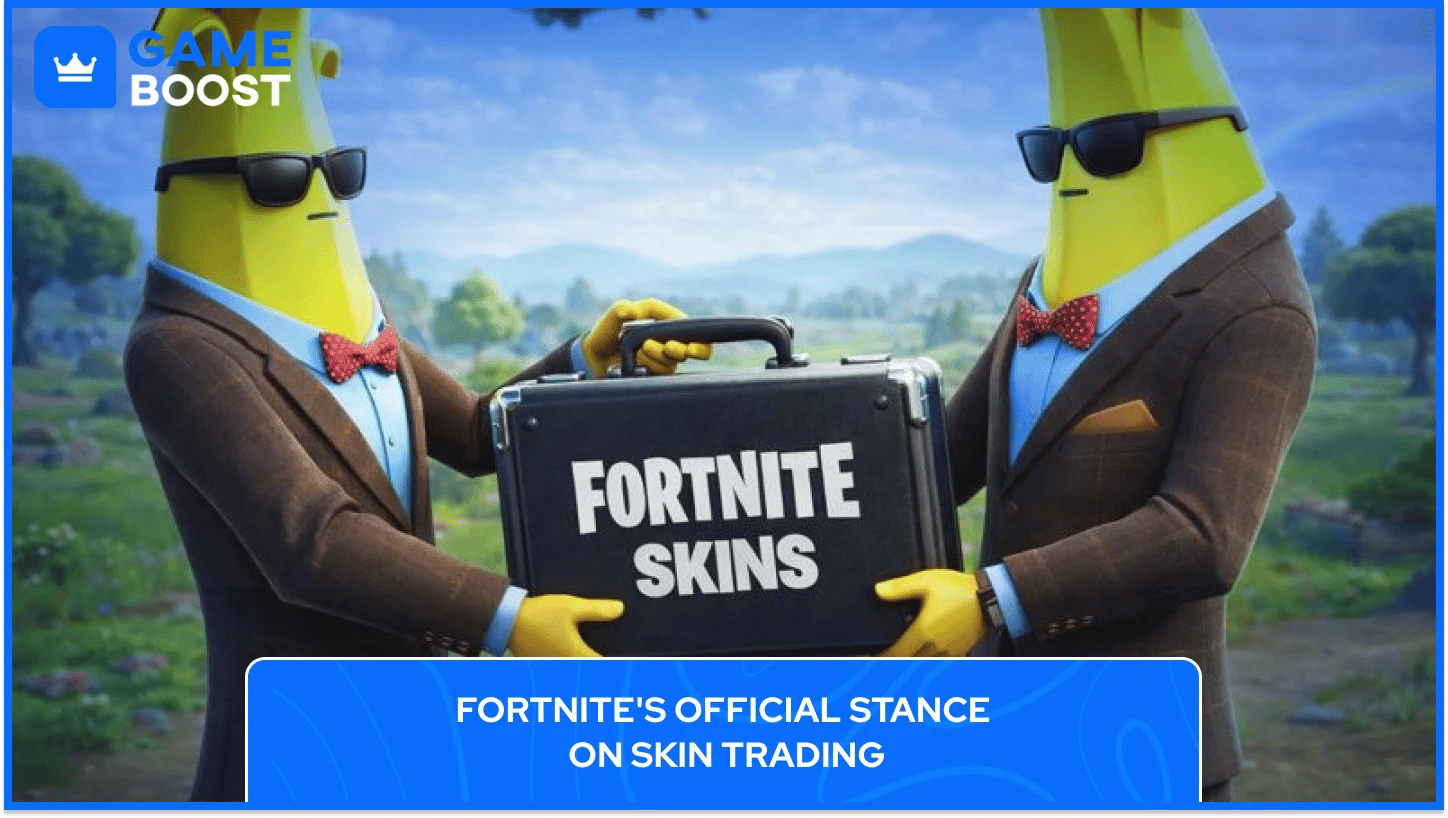
Epic Games has never allowed skin trading in Fortnite, and the reasoning is straightforward: security risks and protecting their business model. Trading systems in other games attract scammers, account thieves, and fraudsters who target valuable items. Epic doesn't want players losing their cosmetics to fake trades or phishing scams.
Fortnite's entire revenue depends on players buying V-Bucks to purchase skins directly from the Item Shop. If trading existed, players could bypass Epic entirely by swapping cosmetics with each other. Rare or discontinued skins would develop secondary markets with real-money transactions, which Epic explicitly prohibits in its terms of service. Unlike in other games where publishers profit from marketplace fees, Fortnite was built around direct purchases, not player-to-player exchanges.

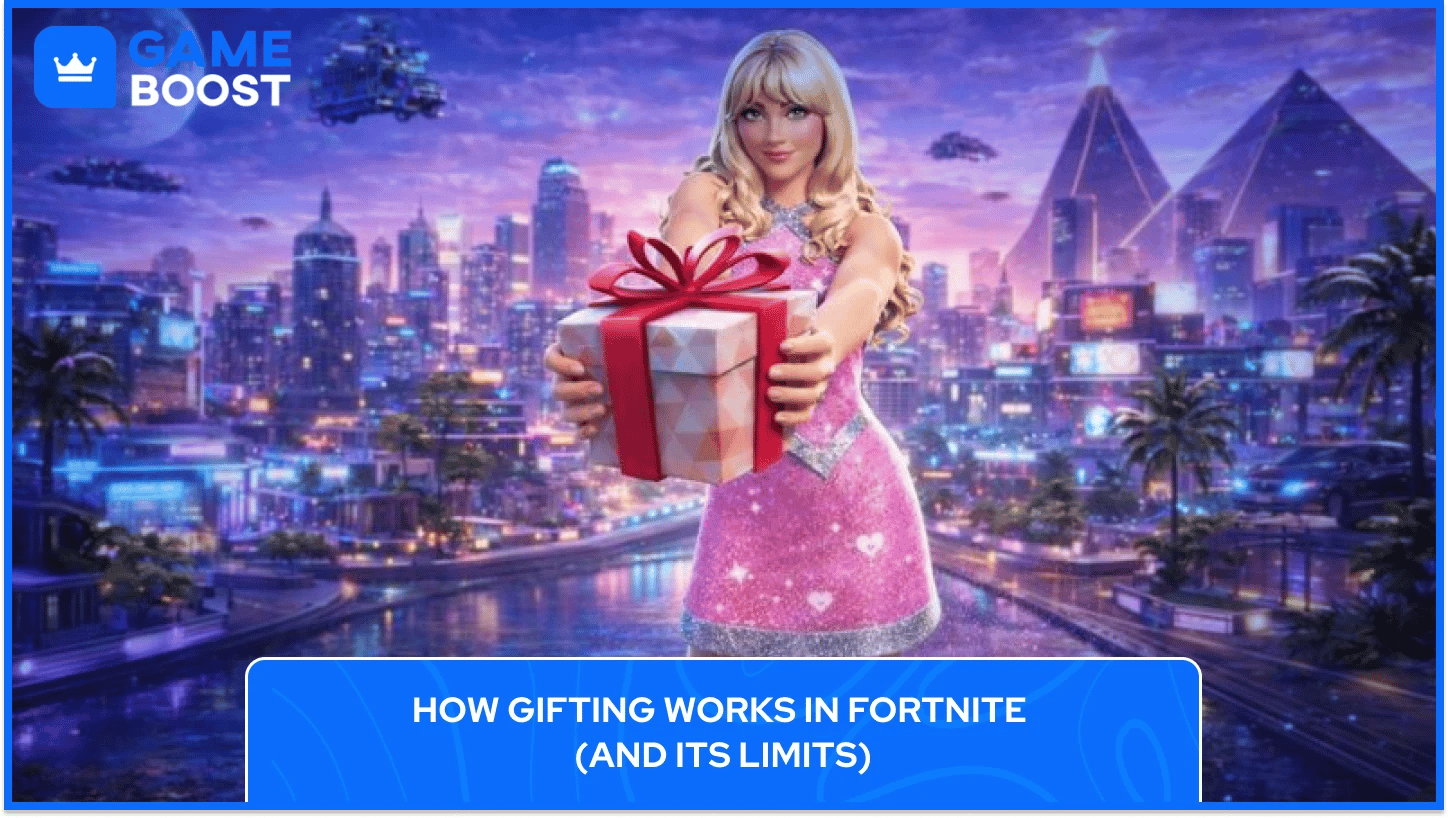
Fortnite does have a gifting system, but it's not the same as trading. You can only gift items directly from the Item Shop to friends on your Epic friends list, meaning you're buying something new for someone else. You can't transfer skins you already own from your locker to another player.
The system has strict requirements to prevent fraud: both players need Two-Factor Authentication enabled, you must be friends for at least 48 hours before gifting, and there's a limit of 5 gifts per 24-hour period. Battle Passes must be gifted with real money, not V-Bucks, and the gifting option gets disabled near the end of each season. If someone doesn't redeem a gifted Battle Pass before it expires, Epic refunds it as V-Bucks. V-Bucks themselves can't be sent as gifts. Epic also blocks gifting for dynamically priced bundles where the recipient already owns some items, and certain items like Starter Packs and Fortnite Crew subscriptions can't be gifted at all.
Epic's been cracking down hard on gifting abuse. In September 2025, they revoked thousands of items from accounts that received gifts purchased with stolen credit cards or fraudulent V-Bucks. Some players ended up with negative V-Bucks balances after Epic removed everything they'd received through these shady transactions.
Also Read: Can You Gift Skins in Fortnite?
Some players bypass Epic's restrictions by buying pre-loaded accounts with skins from third-party marketplaces. While Epic's Terms of Service technically prohibit account trading, thousands of transactions happen daily through reputable platforms. The key is knowing where to buy safely.
Reputable marketplaces offer buyer protection features like 24/7 customer support, warranty, and secure payments to help protect your purchase. These features reduce the risk of scams, including sellers disappearing with your money or attempting to reclaim accounts later.
The real dangers come from deals on Discord, Telegram, or social media without oversight. Scammers use fake middlemen who vanish with payments, and sellers often retain email access to recover accounts weeks later. Stick to established platforms with verified seller ratings and transparent refund policies. Avoid anything suspiciously cheap or from unverified sources.
Buying V-Bucks from unauthorised sellers is where things get genuinely risky. Epic monitors payment methods closely and reverses fraudulent transactions, which can leave you with negative V-Bucks balances, preventing new purchases until the debt clears. For buying V-Bucks, skins, and accounts, use trusted retailers like GameBoost that maintain secure transaction systems and comply with industry standards.
Also Read: Top 5 Websites to Buy Fortnite PlayStation Accounts
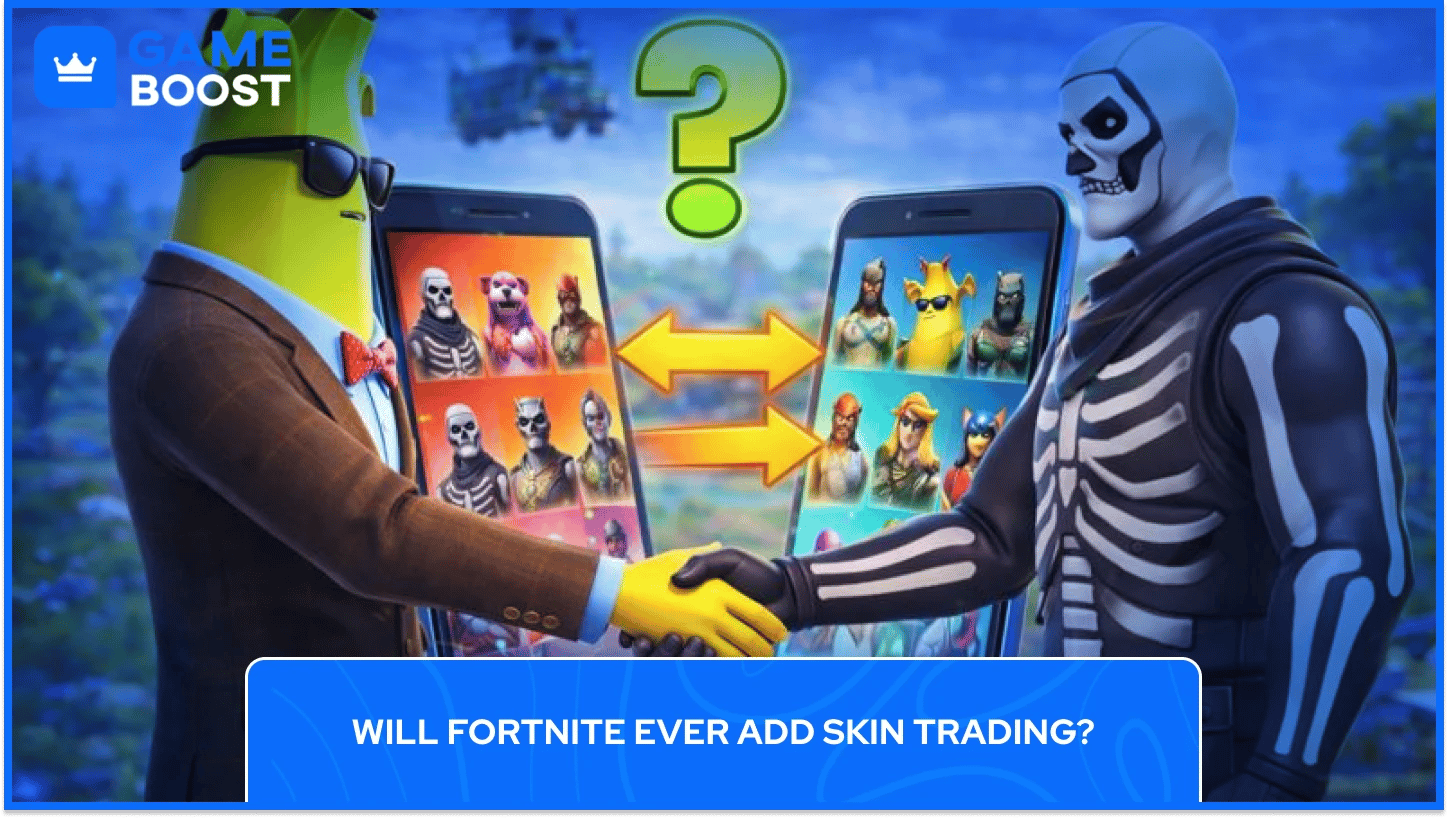
In an official statement, Epic confirmed that "trading with other players is not a supported feature in Fortnite" and warned players about scams if they try workarounds like dropping items. The company cited security concerns and fraud prevention as primary reasons, but the financial incentive is obvious. Limited-time skins create urgency that pushes immediate purchases, and trading would eliminate that pressure entirely.
The closest thing to Skin Trading in Fortnite is Epic's new developer marketplace, where creators can sell items directly in their custom Fortnite islands through UEFN. But this is creator-to-player sales using V-Bucks, not player-to-player trading. Epic still takes their cut and maintains control over the economy.
Given how much money the current system generates and Epic's consistent stance over eight years, skin trading remains extremely unlikely.
Buy V-Bucks
Buy Fortnite Items
Fortnite Accounts For Sale
View all GameBoost Accounts
View all GameBoost Boosting Services
View all GameBoost Currencies
View all GameBoost Game Keys
View all GameBoost Gift Cards
View all GameBoost Top Ups
View all GameBoost Items
Buy CS2 Skins
“ Kristina joined GameBoost in 2024 as an SEO specialist and quickly became the go-to writer for third-person shooter and competitive games. She covers titles like Fortnite, Valorant, League of Legends, GTA 5, and Roblox, focusing on how-to guides, practical tips, and updates.”