

•Hamza Rashid• 5 min read
League of Legends

The surge of interest in League of Legends, helped by shows like Arcane and projects like 2XKO, has brought in a wave of new players. Many of them jump straight into ranked and quickly realize it is not exactly welcoming. Some players look into buying LoL accounts early on to skip the long grind and get access to more champions and ranked-ready profiles, especially if they feel behind compared to longtime players.
Some players turn to guides to figure out what keeps going wrong. The main issue stays the same, though. The game expects a level of knowledge that new players have not yet built.
League has been around for more than 15 years. Over time, it has grown into something layered and dense. With over 170 champions, constant updates, and years of evolving strategies, there is a lot to take in. Longtime players already understand the language and habits of the game. New players walk into all of that at once, which makes the experience feel overwhelming from the start.
Even basic gameplay can feel rough. There are mechanics to learn, roles to understand, and decisions happening every second. Matchmaking does not always help either, so it is common to feel outclassed early on.
Also Read: The Truth About Losers Queue in LoL

Mental state affects performance, and frustration or fatigue leads to worse decisions
A small champion pool and one main role speed up improvement
Matchups, objectives, and teamwork matter more than kills
A game review helps spot repeated mistakes quickly
Wins come from smart decisions and objectives, not kills
Consistency and experience matter more than fast results
A lot of early struggles come down to mindset. Playing while frustrated or tired usually leads to messy gameplay. Last hits get missed, moves are poorly timed, and reactions slow down.
A short warm-up helps more than people expect. One or two games or some time in practice mode can bring your timing back. This is especially noticeable with challenging champions like Riven, Irelia, or Azir, where precision matters.
Champion choice is another big factor. Trying too many champions at once creates confusion. It is hard to improve when every game feels different. Sticking to a small pool, around two to four champions, makes things much easier. You start recognizing patterns instead of constantly relearning abilities.
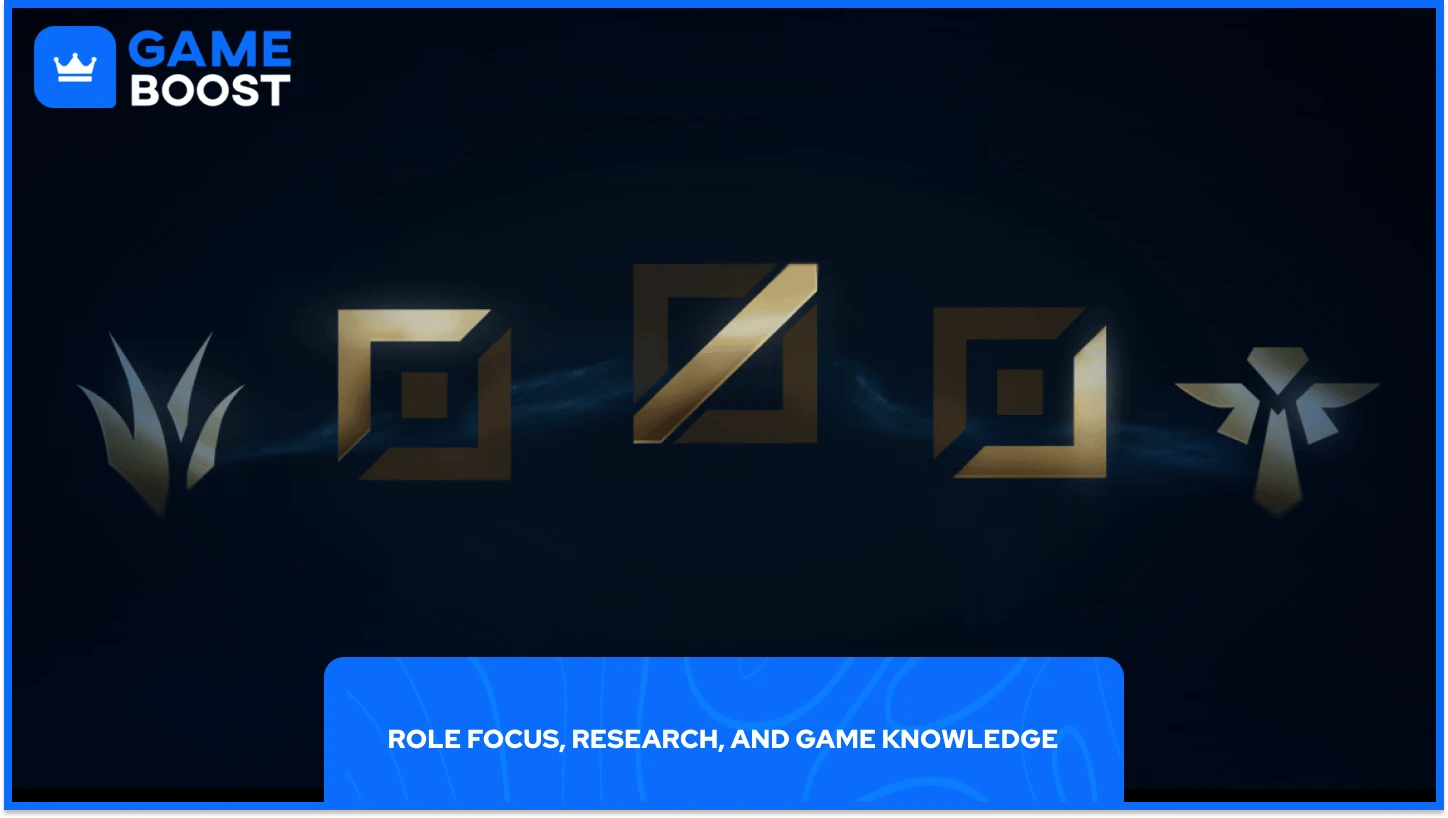
Switching roles all the time makes improvement harder. Each role plays differently and comes with its own responsibilities. Focusing on one role helps build consistency and makes decision-making feel more natural.
Some basic research also helps. You do not need to study everything, but knowing what champions do and how items work gives you a clear advantage. Learning step by step and applying it in games tends to stick better than trying to learn everything at once.
When role focus and simple research come together, progress starts to feel steadier.
Also Read: League of Legends: 5 Best Jungle Tips
Many players jump straight into the next game without thinking about the last one. That habit slows progress. Looking back, even briefly, helps you notice patterns. Maybe your farm is always low, or you keep getting caught in the same situations.
Tracking simple stats like CS, deaths, and vision score makes improvement easier to measure.
Matchups also shape how the game plays out. Every champion has strengths and weaknesses, and those interactions matter a lot. A simple way to think about it is:
Sustain beats poke
Poke beats engage
Engage beats sustain
It is not perfect, but it gives you a starting point. Once you understand where your champion fits, your decisions start to feel more natural.
New players often focus too much on kills. They feel important, but they do not decide games on their own. Objectives do. Towers, bounties, and map control are what lead to wins.
Teamplay matters more than it might seem at first. Positioning with your team, protecting key players, and timing abilities together can completely change a fight. Even simple coordination, like chaining crowd control, can make a big difference.
Decision-making is where things get overwhelming. You are tracking cooldowns, watching the map, thinking about items, and reacting to enemies at the same time. It feels like a lot, and that is normal. Comfort comes with repetition. The more you play, the more natural it becomes.
Also Read: Map Awareness in League of Legends
A: The game has many systems, mechanics, and roles that take time to learn, which can feel overwhelming early on.
A: Focus on one role, play a small champion pool, and review your games regularly.
A: It is usually better to spend time in normal games and build fundamentals first.
A: Objectives matter more since they directly lead to winning the game.
A: Take breaks, avoid playing while frustrated, and focus on your own gameplay.
League of Legends is far from easy, especially for new players. Its depth takes time to understand, and every match adds a bit more experience.
Progress comes from sticking to the basics. Keep your champion pool small, commit to a role, pay attention to objectives, and learn from mistakes. It might feel slow at the start, but over time, things begin to click, and the game becomes much more enjoyable.
Buy LoL Skins
Buy Riot Points
League of Legends Boosting Service
LoL Accounts for Sale
View all GameBoost Accounts
View all GameBoost Boosting Services
View all GameBoost Currencies
View all GameBoost Game Keys
View all GameBoost Gift Cards
View all GameBoost Top Ups
View all GameBoost Items
Counter-Strike 2 Skins
“ As a lifelong gamer with interests in multiple genres, Mario has a wide variety of knowledge when it comes to gaming, except, ironically, Super Mario. Using his experience and passion for games, Mario aims to create engaging and useful articles.”