


Ghost of Tsushima Review: Still The Best Samurai Game
Ghost of Tsushima arrived in July 2020 as the last big PlayStation 4 exclusive, and it has outlived the console it shipped on. This Ghost of Tsushima review comes from someone who never lived inside the game. I bought it long after the launch noise died down, played a few evenings, drifted away for months, then came back and started again from a clean save.
My stop-start history turned out to be the honest way to play it. A game this pretty gets a generous grade in its first three hours. I have seen the main story through, finished the Iki Island expansion, and put real evenings into the co-op side of Ghost of Tsushima gameplay that most single-player reviews skip. I was introduced to the game years ago by playing a lot of God of War.
Below, you'll find what the combat still does better than anything else, where the open world runs dry, how the armor sets rewrite your build, and whether the game earns your evenings.
Ghost of Tsushima Review Summary
Ghost of Tsushima released on July 17, 2020; the Director's Cut added Iki Island on August 20, 2021, and the PC version followed on May 16, 2024.
The sword combat is the reason to play it, with four stances that answer four enemy weapon types and standoffs that make you earn the first kill.
Ghost of Tsushima armor sets change how you fight, and the right set turns a hard camp into a quiet one.
The open world runs on a short loop of camps and collectible markers, and I stopped clearing it long before the story ended.
Ghost of Tsushima Legends is the co-op mode nobody expected, and it tests the combat harder than the campaign ever does.
The Combat Still Feels Unmatched
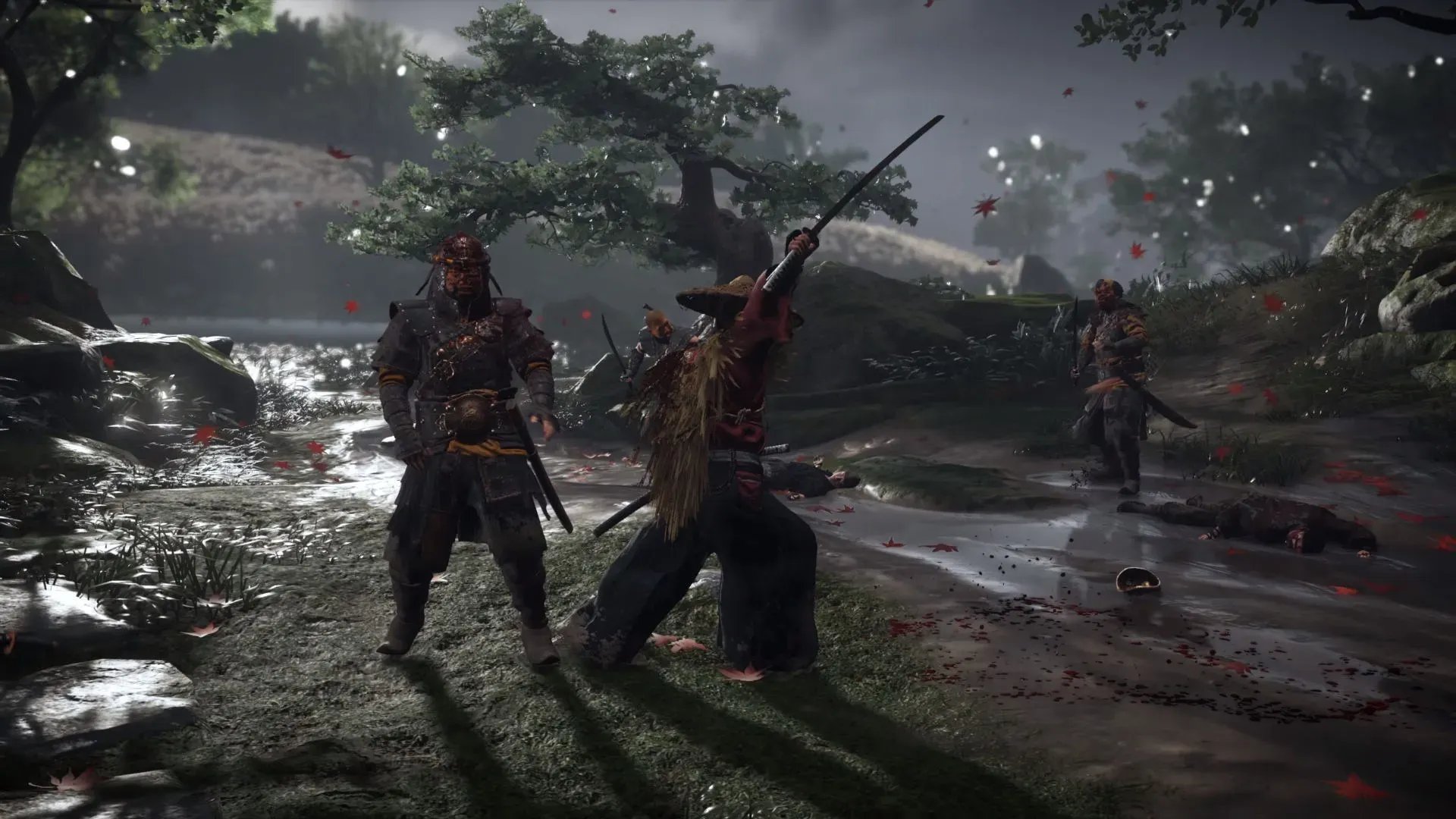
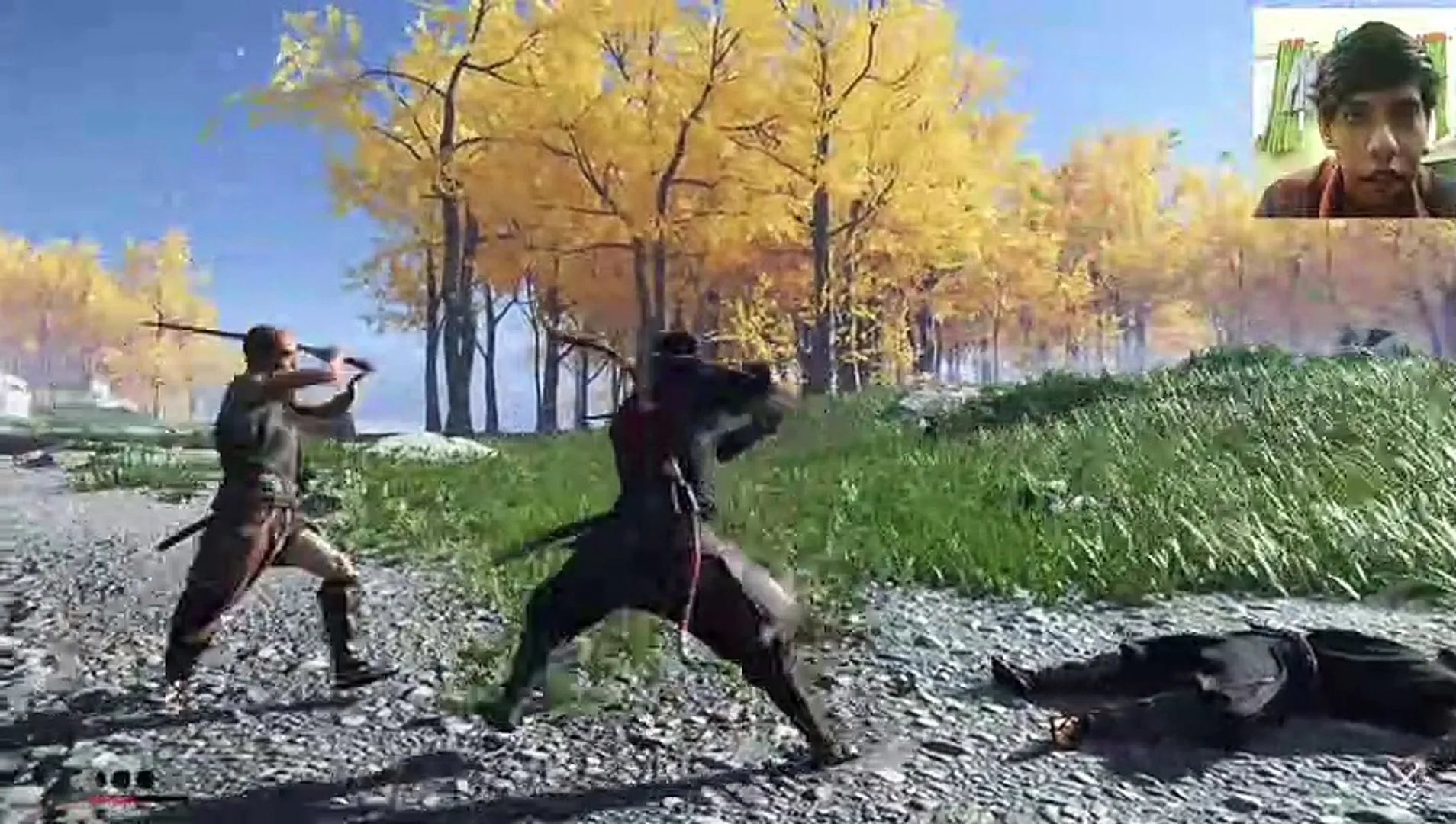
Swordplay is why I keep coming back, and it runs on one simple idea. Jin carries four stances, each built to break a specific enemy weapon: Stone for swordsmen, Water for shieldmen, Wind for spearmen, Moon for the big brutes with clubs. A mixed group forces you to hold R2 and cycle all four mid fight. Get it wrong and your heavy attacks bounce off a guard that will not move.
Standoffs sit in front of most encounters and set the tone. You walk up, hold your draw and wait for an enemy to commit to his swing. Perfect timing hands you a free kill before the fight has started, and every enemy type baits that timing differently. I lost more standoffs to greed than to anything else.
I stopped dodging in my first week with it. Parry windows are generous enough to learn in an evening, and a clean parry staggers almost everything that is not flashing red. Once I moved up to the Lethal difficulty added in a free update, both sides began dying in two or three hits. My fights got shorter, tenser and much better.
Stealth Works Better Than It Reads
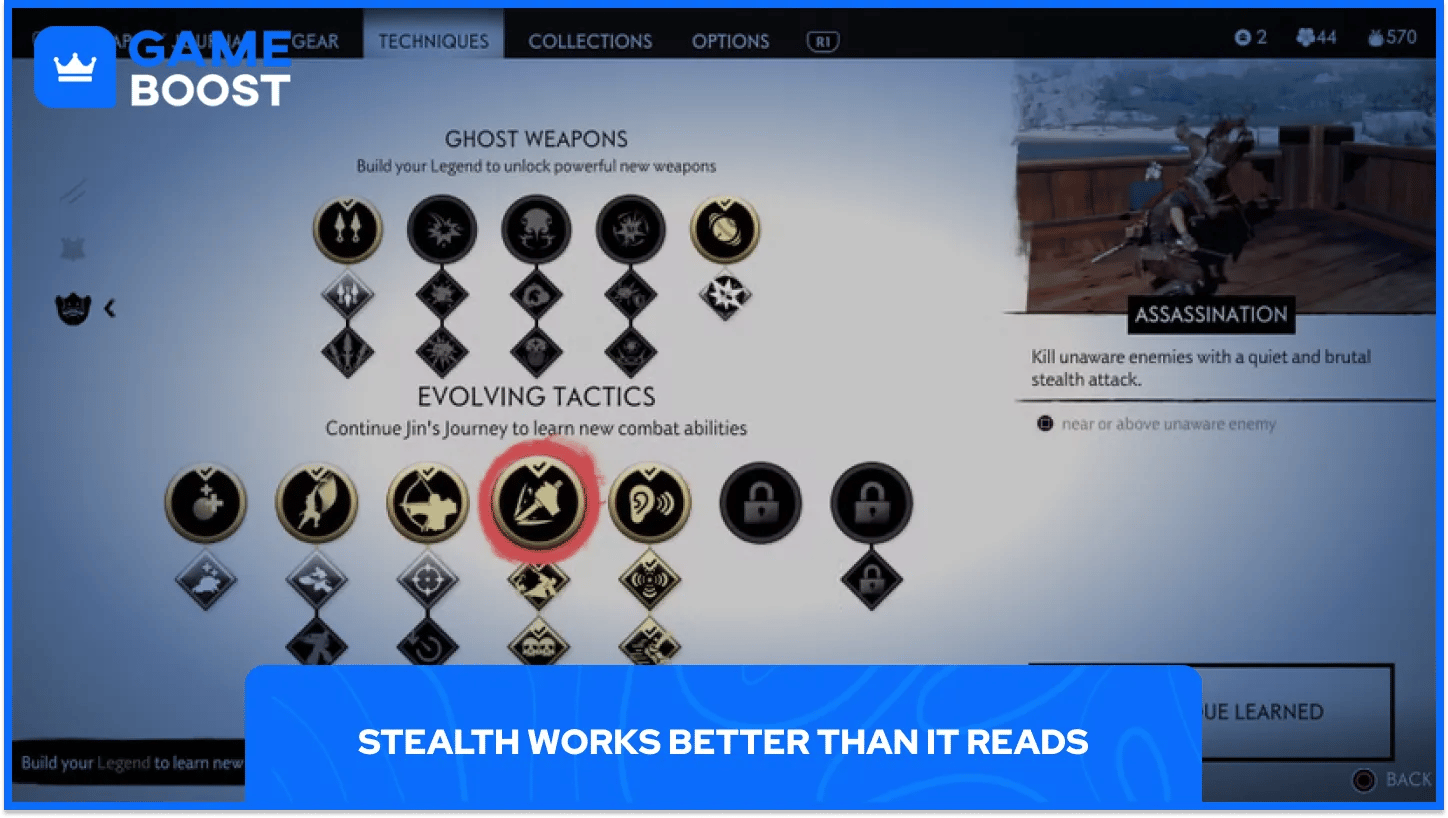
Stealth here is shallow and it still carries whole evenings. Tall grass, rooftops and a crouched walk cover the basics, an assassination kills almost anything from behind, and enemy vision forgives plenty of sloppiness. There is no cover system to snap into and no gadget that fixes a bad approach. A Mongol who spots you shouts, and then you fight.
Kunai stagger a small crowd, smoke bombs break a fight I am losing, sticky bombs clear a cluster, and firecrackers pull a patrol somewhere quieter. Ghost Stance lands partway through the story and hands me a chain of instant kills once I have taken seven of them down without a scratch. Those tools stack into a real opener. A good one empties half a garrison before the alarm goes up.
Outside a handful of scripted story missions, being seen costs you nothing worse than a straight fight. The stealth never becomes a puzzle you can fail, which is forgiving and a little toothless. I treat it as an opening move rather than a discipline. My camps usually end with four bodies in the grass and the rest settled with steel.
Armor Decides How You Fight
Armor sets in Ghost of Tsushima work as builds, and swapping one reshuffles an evening more than any skill point does. Sakai Clan Armor pushes melee damage and stretches a standoff streak. Ghost Armor leans on terror and lower detection, and Gosaku's Armor turns you into a health sponge for open brawls. Kensei Armor pushes ghost weapon damage, and Tadayori's Armor suits anybody who wants to play the game from a rooftop with a bow.
Each set upgrades at merchants for supplies and leather, and an upgrade scales what the set already does rather than adding a trick. Dyes come from flower merchants dotted around the map and are purely cosmetic. Charms sit in their own slots alongside whatever you wear, earned at Shinto shrines and at the fox dens the orange guides lead you to. Two players in the same armor still fight very differently.
My most used set is the least glamorous one. Traveler's Attire aims the Guiding Wind at artifacts and clears more of the map as I ride, which turns a dull sweep into a quick one. I swap to Gosaku's before anything with a banner over it, and to Ghost Armor when I want a camp to empty itself. Chasing a set is also the best reason to take on the Mythic Tales, since several end with a piece of armor instead of a technique. A detailed piece about Ghost of Tsushima armor may give you more informations.
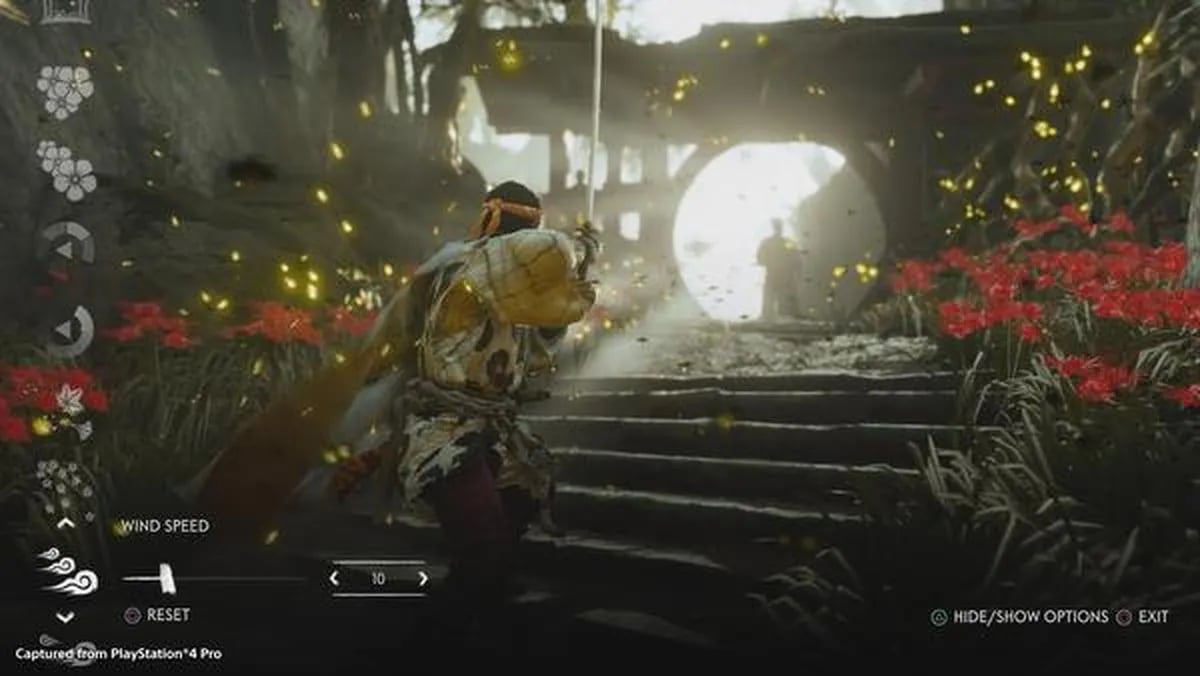
Iki Island Is The Stronger Half
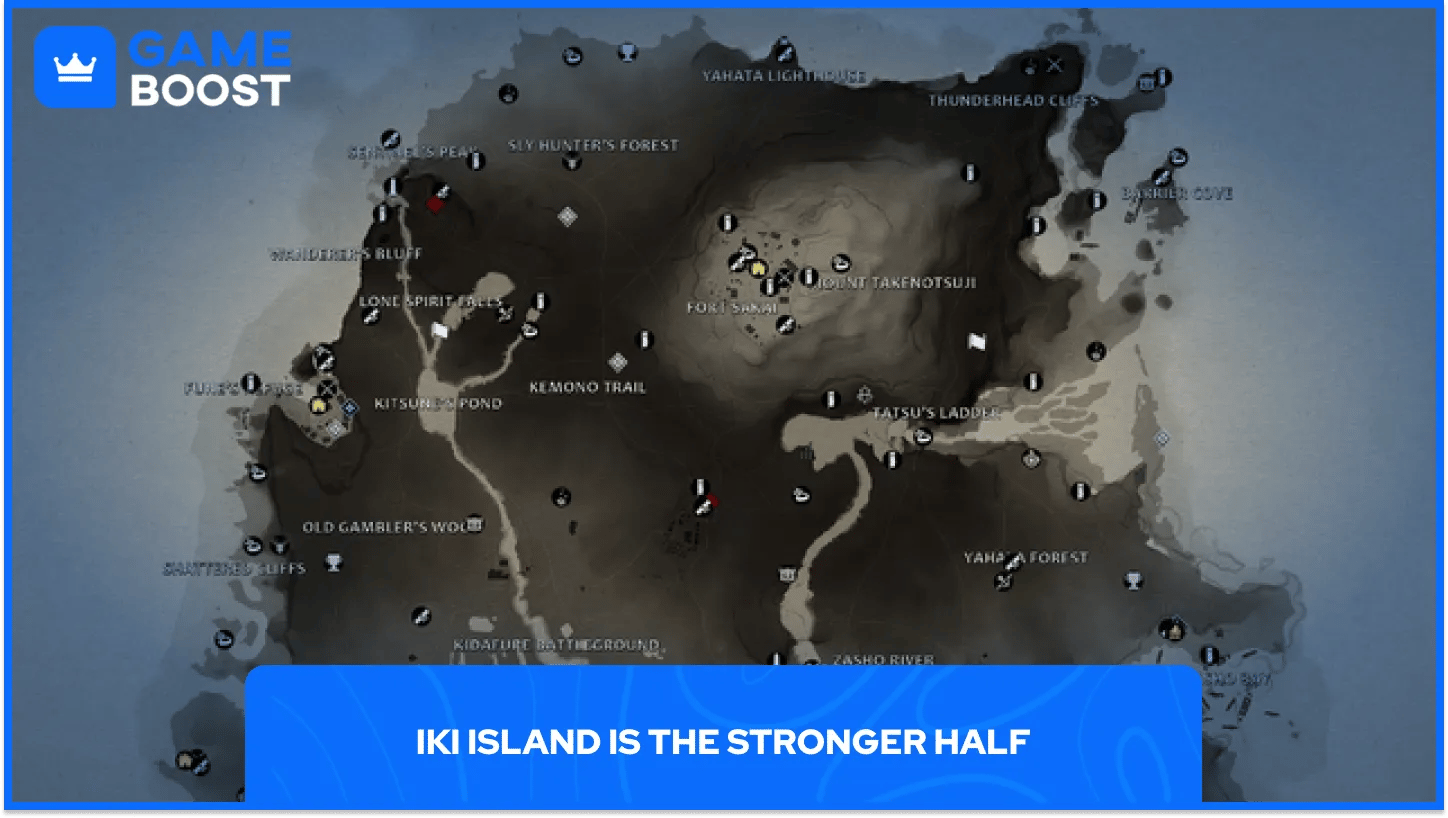
I rate the Iki Island expansion above the game that hosts it. Jin goes back to the island where his father died, gets dosed by a shaman, and spends the story walking through his own memories. The Eagle who leads the raiders there is a sharper villain than Khotun Khan on the mainland. The writing has a meanness the main campaign keeps softening.
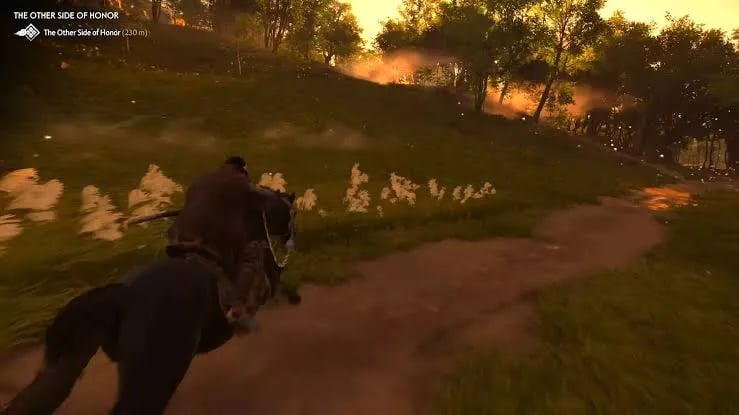
Mechanically it pokes at the habits the main map lets you keep. Shamans stand behind the line and chant buffs into the raiders in front of them, so a fight opens with a decision about who dies first. Mounted charges let you ride straight through a formation. Archery challenges, animal sanctuaries and new attires round it out without another forty icons.
Pacing is the real win here. Iki Island covers a fraction of the main map and wastes almost none of it, with short side activities and a story that keeps moving. If somebody told me they had one long weekend for this game, I would send them through the first act and straight onto the boat. The gap between the two halves is that wide.
Legends Mode Is The Best Surprise
Legends is the co-op mode added for free in October 2020, and it is a different game wearing the same armor. You pick one of four classes, Samurai, Hunter, Ronin or Assassin, then fight through a supernatural version of the setting. Oni, demons and spirits from Japanese folklore take over from the Mongol history.
I found the structure straightforward and generous. Story missions run two players, Survival puts four of you against waves at a defended point, and the Raid is the long four-player endgame. Rivals arrived later as a 2v2 race where each team sabotages the other. Sucker Punch also released Legends standalone on September 3, 2021, and it comes bundled in every Director's Cut.
My best nights here were in a four-stack shouting about a Survival wave. Legends pushes enemy counts and damage past anything the campaign throws at you, so the stance swapping I half learned in the story became a survival skill. A lazy parry actually kills you here. That pressure is what turned the combat from a pleasure into a system I respect.
Is Ghost of Tsushima Worth Buying Right Now?
Yes, with one honest caveat about how you play it. This is a game for anybody who wants the best sword combat anywhere and will happily leave the rest alone. Play the main story, take the Mythic Tales, go to Iki Island, and let the rest of the map stay orange. Treat it as a completionist checklist instead and you will meet the same camp for the twentieth time and wonder what everybody was talking about.
The game itself is finished and stable. The Director's Cut on PS5 and PS4 carries Iki Island, the Kurosawa black-and-white mode, Japanese audio with PS5 lip sync, target lock-on and the accessibility options. The PC version built by Nixxes added unlocked frame rates, ultrawide support and DLSS, FSR and XeSS upscaling. Sucker Punch has since moved on to Ghost of Yotei, released on PS5 on October 2, 2025, with its own Legends mode following on March 10, 2026.
Anybody who bounces off open world busywork should wait for a sale, and so should the player who only ever runs a game once and wants every hour to count. It goes on discount often enough that patience costs nothing. On PC I would settle the upscaling before the first long ride out, since open country is where my frame rate moved the most.
FAQs About Ghost of Tsushima
Final Words
This game has lasted on the strength of its simplest system. Four stances, one parry window and a standoff you have to earn hold up long after the grass stops impressing anybody. Sucker Punch built all of it to be readable in one evening and hard to master over many. Very few open world games have a loop I would still choose on its own merits after fifty hours.
What the studio never solved is everything around that loop. The map asks you to do the same six things in prettier and prettier places, and the campaign softens its own best idea, which is that Jin's honor is a luxury the island cannot afford. Iki Island gets closer to that argument in a fraction of the runtime.
Start it and give yourself permission to skip things. If you played at launch and bounced off the busywork, both Iki Island and Legends justify a reinstall on their own. Neither existed when most people formed their opinion of this game. I came back to it three times and I have never regretted one of them.
GameBoost Products
Ghost of Tsushima Key
View all GameBoost Game Keys
View all GameBoost Accounts
View all GameBoost Boosting Services
View all GameBoost Currencies
View all GameBoost Gift Cards
View all GameBoost Top Ups
View all GameBoost Items