

Graveyard Keeper 2 Review: Better Graveyard, Old Habits
This Graveyard Keeper 2 review comes from someone who loved the first game and quit it twice. Lazy Bear Games and tinyBuild released Graveyard Keeper 2 on Steam and consoles on September 22, 2026. The medieval cemetery sim now comes with zombie workers, a ruined town to rebuild, and an undead army to command. I picked it up the day it launched and have spent most evenings since digging graves and arguing with a skull.
The sequel keeps the dark comedy and the long production chains, then hands you the tools to stop doing every step by hand. It also keeps a few habits I hoped it would drop. Below, you'll find my read on each part of the game and who should pick it up first.
Graveyard Keeper 2 Review Summary
Graveyard Keeper 2 is a bigger, friendlier sequel that still asks for patience with long production chains.
Zombie workers take over sawing, tilling, and cooking once you give them the right tools, and that is where the old grind finally eases.
Sermons on red days, backed by town gratitude, bring in faith, which pays for fast travel waypoints and Inspirations perks.
The Graveyard Keeper 2 tech tree spans six linked sectors, and the tutorial barely explains it.
Undead army battles and tower building add variety but feel stiff next to the management side.
The game only saves when you sleep, and the Steam Deck struggles to hold a steady frame rate.
Graveyard Keeper 2 Keeps Its Cruel Humor
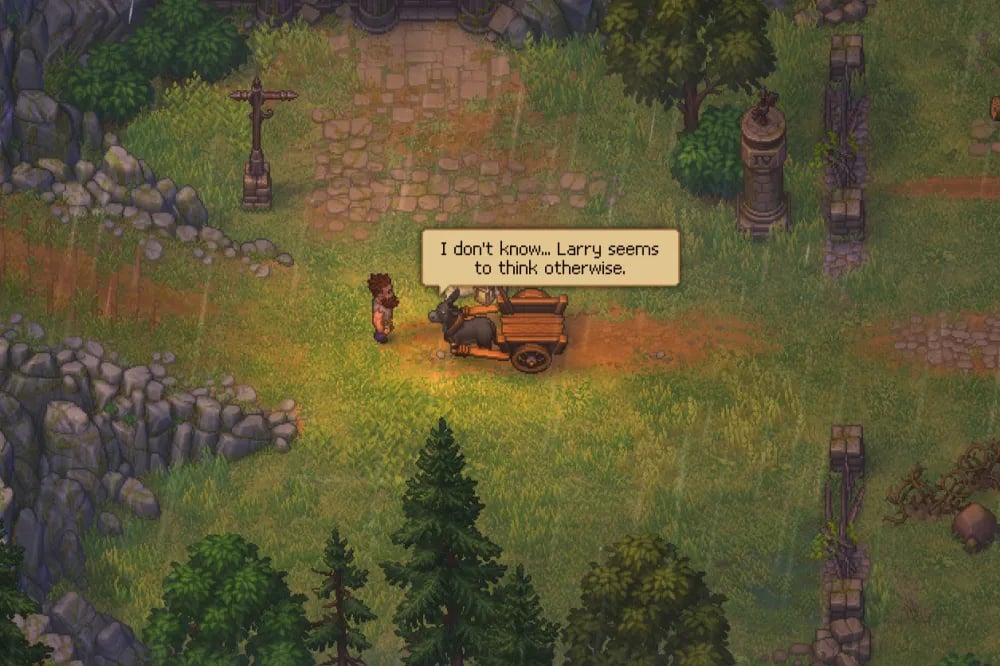
I play the Grand Inquisitor, handed a ruined medieval town and a zombie problem nobody else wants. The story has a few twists, but the writing spends most of its energy on the people around you. Larry, a talking skull, handles most of the running commentary, and anyone who met Gerry in the first game will know the type within a minute. The donkey still hauls corpses to my graveyard every couple of days, when it doesn't skip a delivery. The jokes about what I do with those corpses are as grim as ever.
Most of the story's strength sits in its cast. Jack runs the workshop and asks for planks and bronze parts to build a boat. Once he sails, Agatha the nun turns up at the tavern, and the church finally opens. Albert, the plague doctor, has to be freed from underground before he asks for dream dust from the alchemy lab. His reward is my first pair of zombie workers. Every one of these people wants something, and every errand points at a production chain I haven't built yet.
The humor is mean and very specific. Cannibalism gags, jabs at a church that runs like a business,s and plenty of zombie slapstick sit side by side, so if the first game's tone put you off, this one will too. English voice acting now covers the dialogue, and I like most of the performances. A couple of early characters grated on me, and I was glad Lazy Bear Games confirmed a choice between the voiceover and the old mumbling.
Zombie Workers Fix The Old Grind
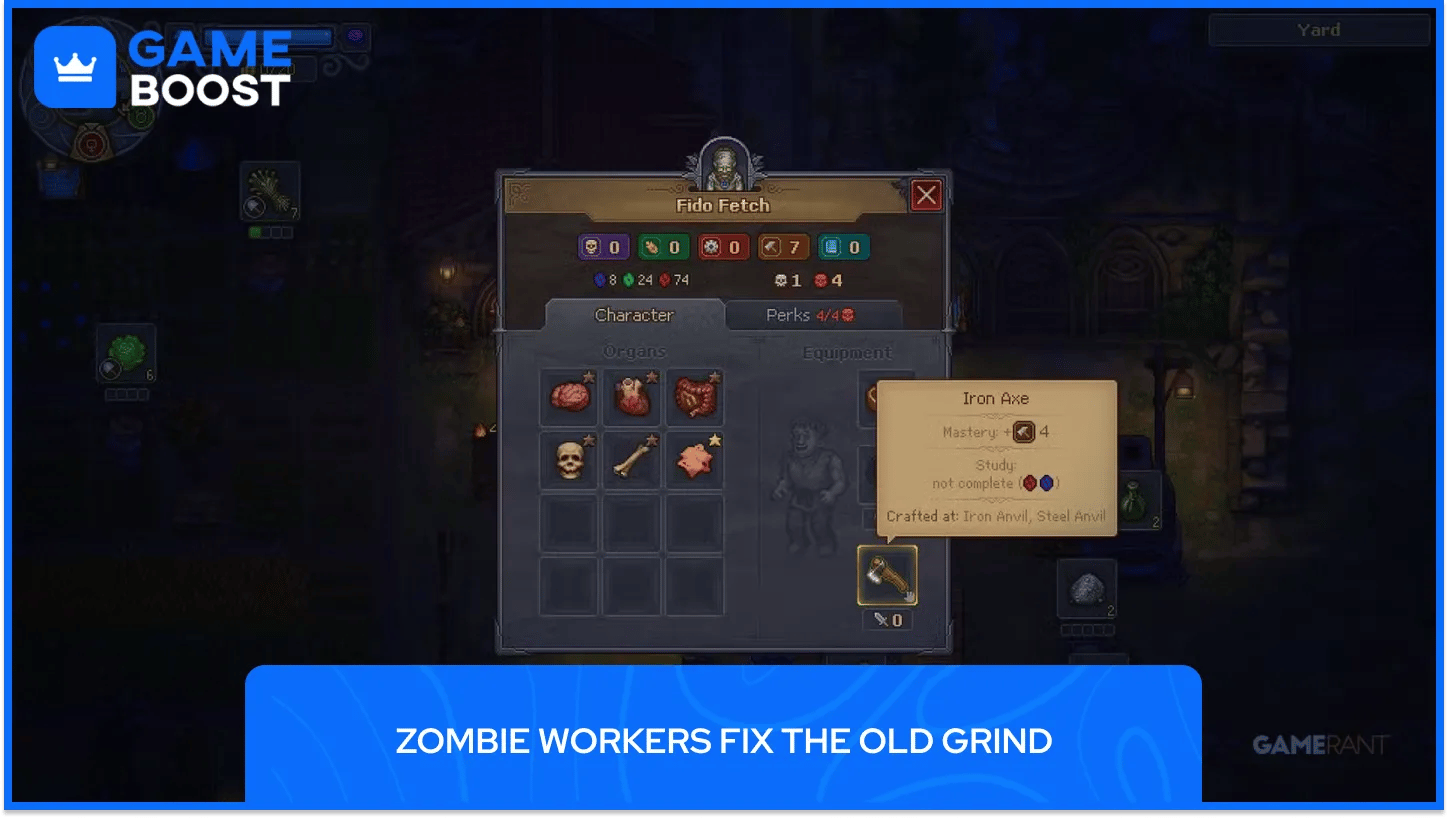
Zombies are the reason I stuck with Graveyard Keeper 2 past the opening hours. Once Albert hands over the first pair, I can raise my own on the resurrection table. It takes a complete corpse, a zombie collar, and reanimation liquid, and it only works on Envy, the green day of the six-day week.
Each zombie starts with no mastery at all. It learns a trade from the tool I give it, so a rusty axe gives one point of Building mastery and a bronze axe gives two. Every job lists the mastery it needs, and better tools open better work.
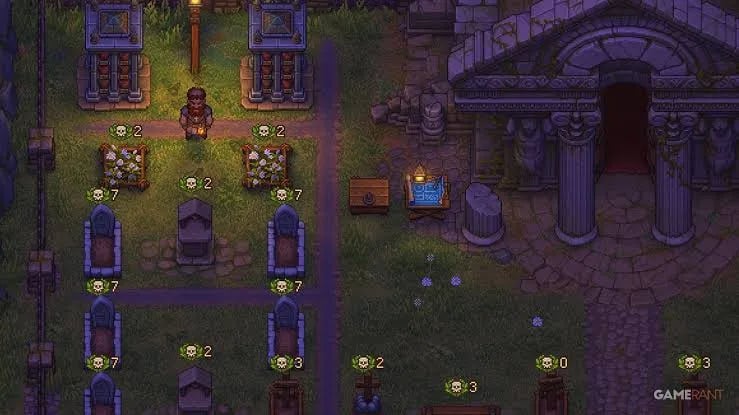
Corpse quality now matters twice. Red skulls on a body drag down burial quality, but each one opens a perk slot on the zombie it becomes, so the worst bodies make the best workers. I stopped decorating every grave and started sorting the morgue instead. Good bodies go into the ground, ugly ones go onto the table, and anything too poor for either ends up in the cremation chamber as ash.
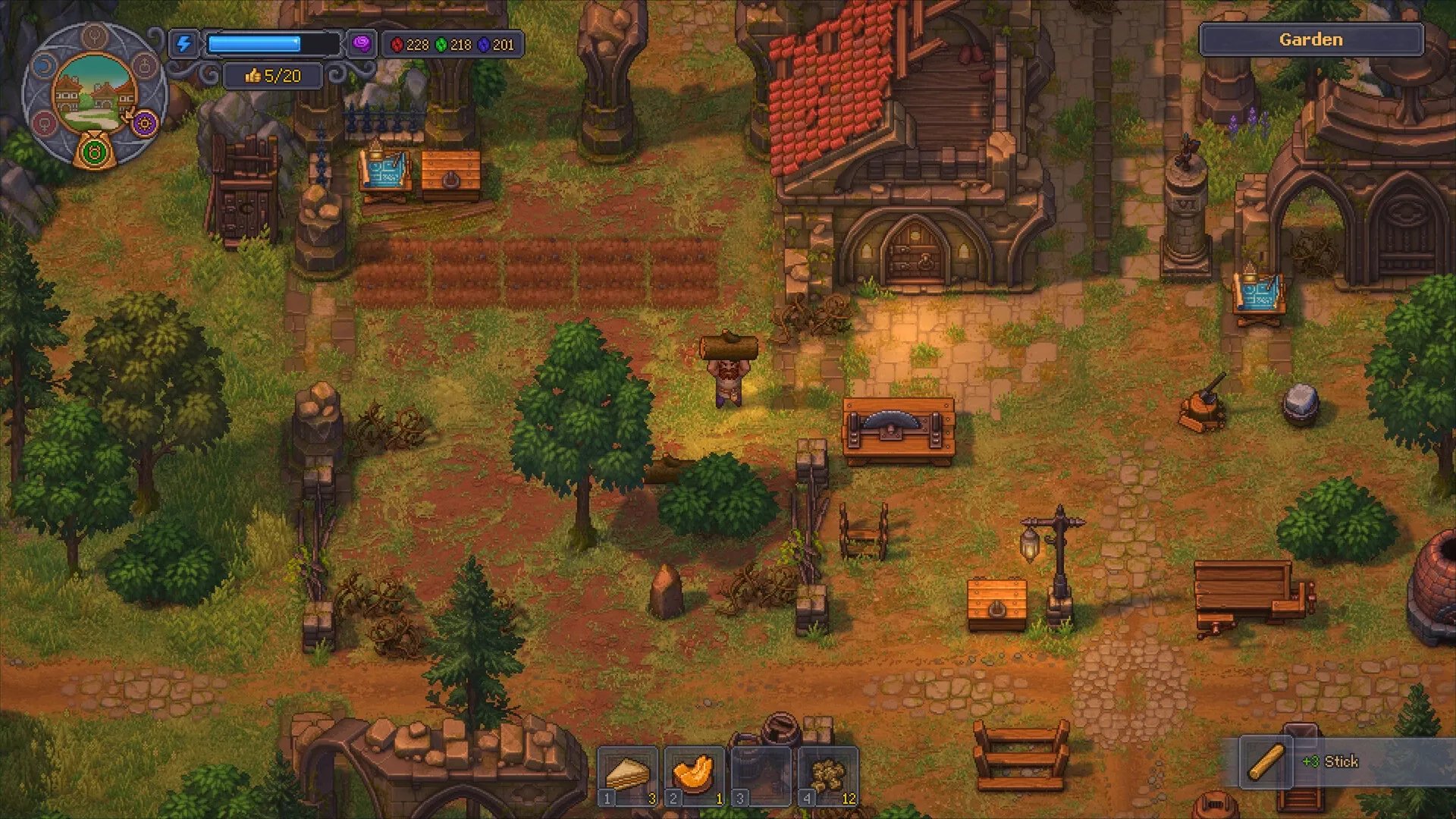
The Zombie Supplier Station changed how I play more than any other system. A dedicated zombie brings materials to the workstation zombies in its area, so a sawmill that used to need me constantly keeps running without me standing next to it. Layout is where it bites. Each supplier only serves its own area, and placed buildings can't be moved without tearing them down. My first graveyard ended up as a mess of long zombie walks I had to rebuild by hand.
Sermons And Faith Run The Economy
Faith is the currency that ties the whole game together, and sermons are where most of it comes from. Once the church is open, I preach on Wrath, the red day that closes the week, and pick a prayer for the congregation. The Basic Prayer works from the start and pays modestly, and stronger prayers open up as Theology rises. The payout follows whichever is lower, my town gratitude or my church rating, so a shabby church drags down a good week.
Gratitude is the fuel. I earn it through quests and port orders, by selling vegetables and fish in town, and with gratitude scrolls from the tavern. The meter resets every week, so I rebuild it before each sermon, and the cap only rises when I win battles for the town. The loop reads as quests into gratitude, gratitude into sermons, and sermons into faith and coin.
Every faith spend is a trade-off, and the currency runs out fast. It pays for fast travel points, and it buys Inspirations, the perk nodes that raise mastery in trades like building, farming,g and theology. Both compete for the same small weekly income. My first faith went into the village and port travel points, and the walking time I saved was worth more than any early perk.
The Tech Tree Hides Its Logic
The Graveyard Keeper 2 tech tree is huge. It splits into six sectors (Building, Metallurgy, Farming, Theology, Anatomy, and Cooking), paid for with colored tech points, and technologies lean on each other across those sectors. A quest item like the Magic Bell needs blood from corpse processing and a bronze ingot from the metallurgy side. Keeping perks apart from the tech tree was a smart change, and it rewards me for trying every trade.
Which branch leads where? The game rarely says. The tutorial covers the first few chores and then leaves, and several progress systems barely explain themselves. Spending tech points on whatever looked fun was my biggest early mistake. I only recovered once I started following quest requirements and buying the technologies they asked for, and new players should expect to open a wiki at least once.
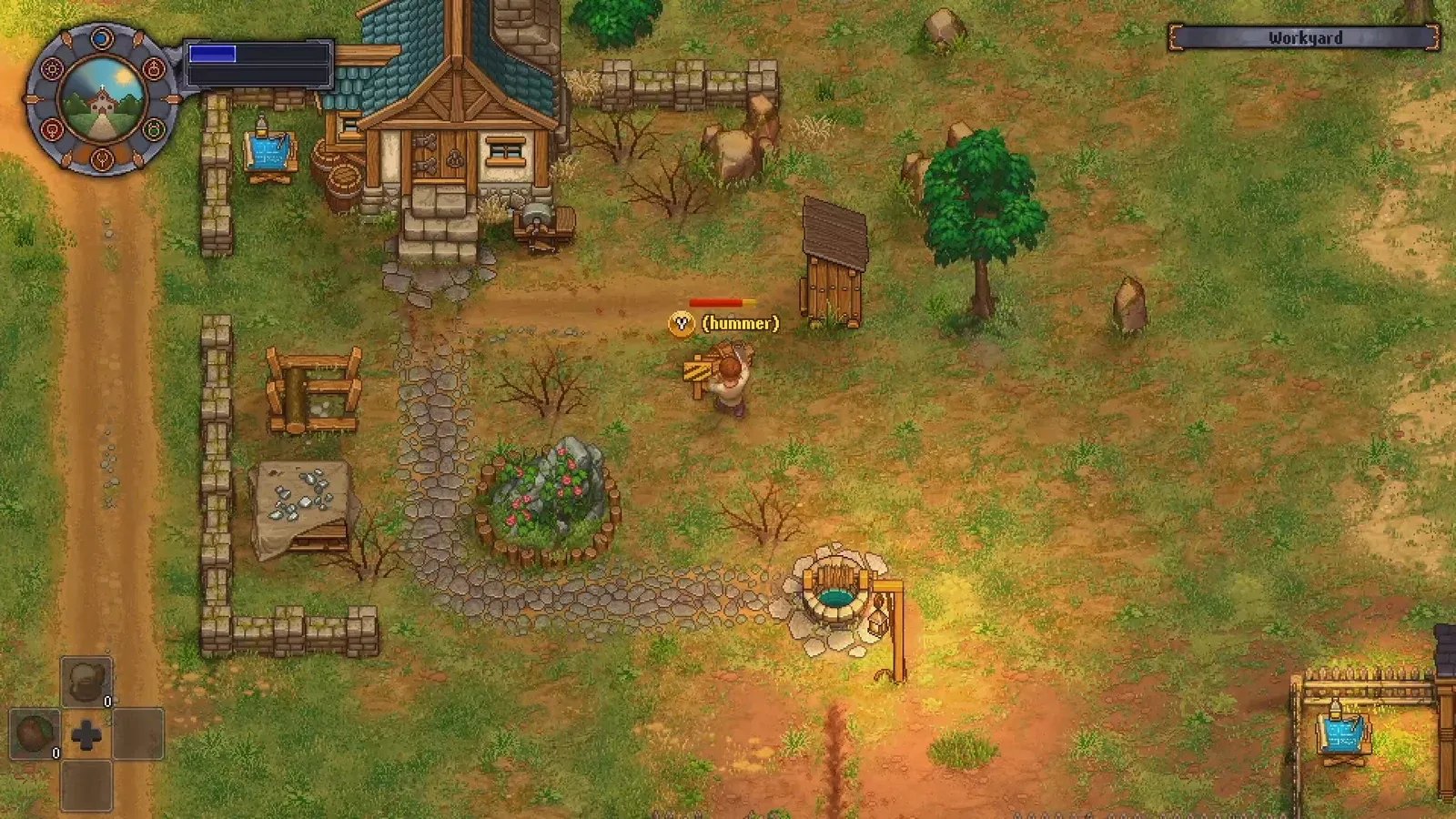
Production still has friction the sequel didn't sand off. Chests only serve the area they're built in, so planks stored in the yard are no help at a bench in the garden. Storage fills up fast with the number of materials the chains demand, and plenty of my evenings went into carrying stock between areas by hand. Farming feels kinder than it did in the first game, so food stopped being a crisis for me early on.
Zombie Army Battles Feel Stiff
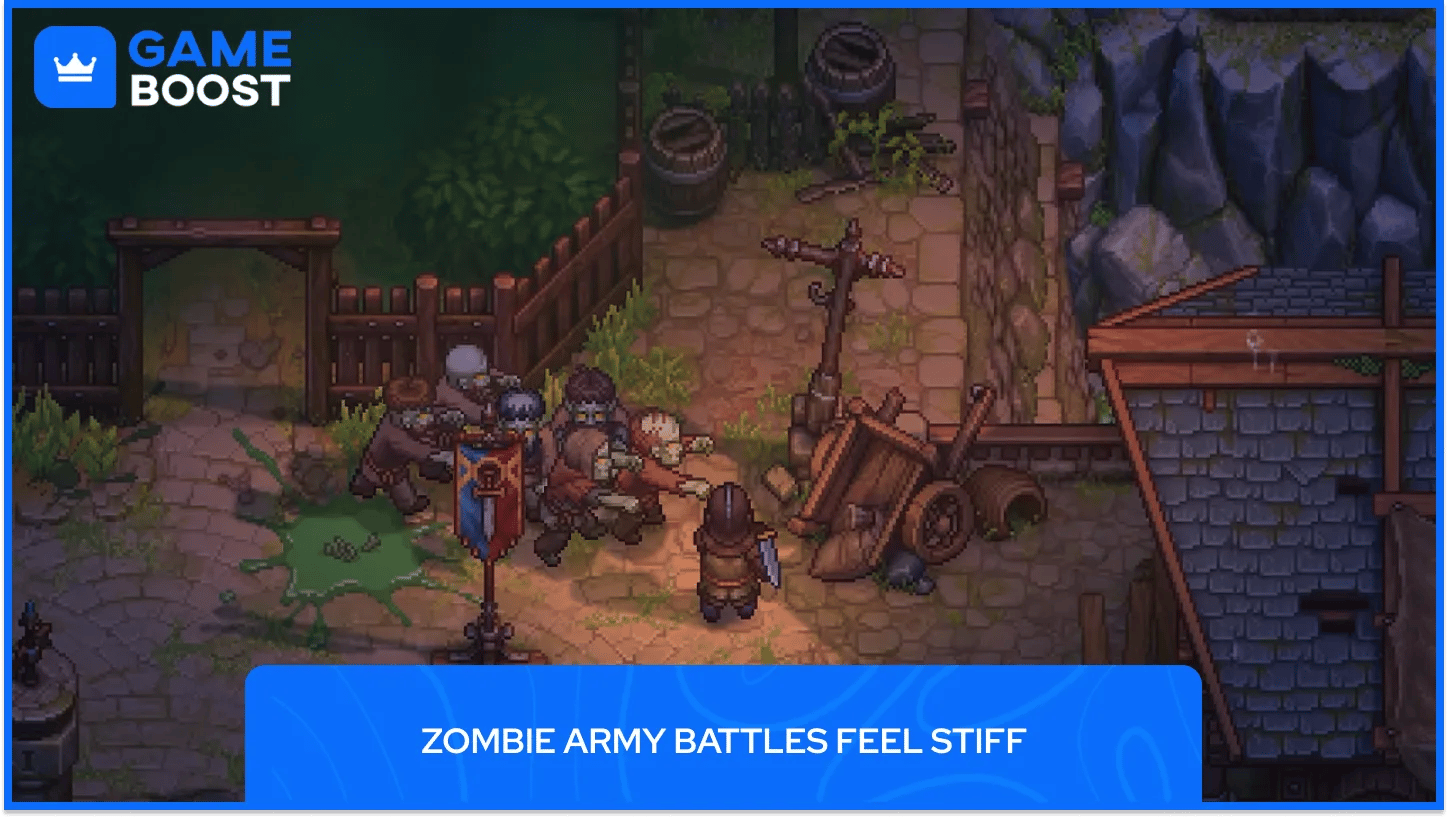
Of everything new in Graveyard Keeper 2, the undead army is the biggest idea and the part I enjoyed least. Clearing zombie-infested parts of the town means training zombie troops, crafting weapons and armor, and building towers and fortifications to hold the line. Winning battles raises the town's gratitude cap, so the fights matter to the rest of the economy. Sending the dead to fight the dead is a clever idea.
Most battles start on Sloth, and the ones I played came down to planting a banner and holding the ground against zombie rushes. The fights themselves feel stiff, and unit movement feels clumsy to me. The battles lack the depth of the management side, and I rarely felt I was making real tactical choices. They work best as a short break between production runs.
Every weapon, piece of armor, and tower comes out of the same production chains as everything else, so a lost battle costs me materials along with time. Treat the army as a side system that feeds gratitude,e and you'll resent it less. If you came for tactics, this game will leave you cold.
Saves And Performance Need Patching
Saving only happens when I go to sleep, and that one rule changed every session I played. Even the scripted sleep at the very start doesn't count, and there is no manual save. A crash halfway through a long day wipes everything since the last bed, so I started sleeping early out of fear more than need. It doesn't break the game, but it feels dated for a sequel.
Bugs showed up for me, though rarely. A couple of crashes cost me more progress than they should have, thanks to the bedtime saves. On my desktop PC, the game otherwise ran smoothly, and the launch build feels stable.
Steam Deck performance is rough. Graveyard Keeper 2 struggles to hold 60 frames per second and stutters even on low graphics settings. Capping it at 30 or 40 FPS on low settings gives the steadiest handheld experience. Accessibility options are thin as well, and I found no toggle for the hold-to-interact controls.
Is Graveyard Keeper 2 Worth Buying Right Now?
Yes, if you enjoy long production chains and pitch-black jokes, and give it a patch or two if you play on Steam Deck. Fans of the first game get the same loop with most of the worst hauling handed to zombies.
The launch build is stable on desktop and packed with content, and the core loop already works. The pace hasn't changed. Graveyard Keeper 2 still expects you to learn its chains by trial and error, and the game respects your evenings only after you build the automation that saves them. The store pages on the official Graveyard Keeper 2 website cover PC, PlayStation, Xbox,x and Nintendo Switch.
Newcomers who dislike grind should wait for a sale and a round of fixes to saving and the Steam Deck build. Anyone hoping for a tactics game built around the undead army should skip it. For everyone else, I'd pay full price for this one without much regret.
FAQs About Graveyard Keeper 2
Final Words
Graveyard Keeper 2 is at its smartest when it recycles its own worst chore. Bad corpses used to be dead weight, and now they become the workers who run the sawmill, which turns the morgue into the heart of the base.
Its weak spots all sit around the edges: bedtime saves, a tech tree that keeps its logic to itself,f and battles that never grow past a sideshow. The first patch that fixes saving and the Steam Deck frame rate will make this an easier recommendation for newcomers.
Plan your first graveyard area by area, since each supplier only serves its own, and let the quests pick your technologies until the six sectors start to make sense.
GameBoost Products
Graveyard Keeper 2 Game Key
View all GameBoost Game Keys
View all GameBoost Accounts
View all GameBoost Boosting Services
View all GameBoost Currencies
View all GameBoost Gift Cards
View all GameBoost Top Ups
View all GameBoost Items