
Pragmata Review: A Heartfelt Shooter With A Twist
This game is reviewed on:
Graphics Card | GigaByte Geforce RTX4080 |
Processor | AMD Ryzen 7 9800X3D |
Memory | Kingston Fury Beast White RGB EXPO 64GB RAM |
This Pragmata review comes from someone who expected very little. Capcom first showed the game in June 2020 and then went quiet through delay after delay. By its April 17, 2026 launch, I had filed it under projects that never find themselves. I picked it up a few weeks later, curious about a Pragmata hacking system I couldn't picture from the trailers, and finished the campaign wanting more.
Pragmata is a third-person sci-fi action game about systems engineer Hugh Williams and Diana, a small android girl, escaping a lunar station whose AI has turned on them. You shoot with Hugh and hack with Diana at the same time, on one controller, and that idea carries everything.
Below, you'll find how the story, hacking, weapons, Shelter and late-game difficulty hold up, plus who should buy it and who should wait.
Pragmata Review Summary
Verdict: Pragmata is the most original action game Capcom has shipped in years, held back by a cramped, punishing final stretch.
Hugh and Diana sell a found-family story across a campaign of roughly 10 to 12 hours.
Pragmata hacking is a live grid puzzle solved mid-firefight that turns armored robots into openings.
The Pragmata Shelter handles weapon printing, firmware upgrades, 30 Training Simulations and small bonding scenes with Diana.
Pragmata difficulty jumps hard in the last sectors, where crowded rooms punish glass-cannon builds.
Post-launch support has been light and free, including a new suit, a nerf to one brutal simulation and a Mega Man-themed pack.
Hugh And Diana Carry The Story
Hugh is sent to The Cradle, a lunar research facility, and a moonquake cuts him off from his team soon after he arrives. The station's AI, IDUS, has turned on the staff, and the one who revives him is D-I-0336-7, a Pragmata built from a lunar material called Lunafilament. Hugh names her Diana. From there it's an escape story, and for the first hour I assumed that was all it would be.
I was wrong, and the quiet moments are why. Diana is curious about Earth the way a kid is curious about a place she has only seen in pictures. The station is scattered with Earth Memories, and back at the Shelter they become gifts for her. Hugh starts as the reluctant adult who wants to get home and slowly becomes the person who cares whether she gets there too. By the third sector I was detouring for those globe-shaped collectibles just to see how she'd react to the next one.
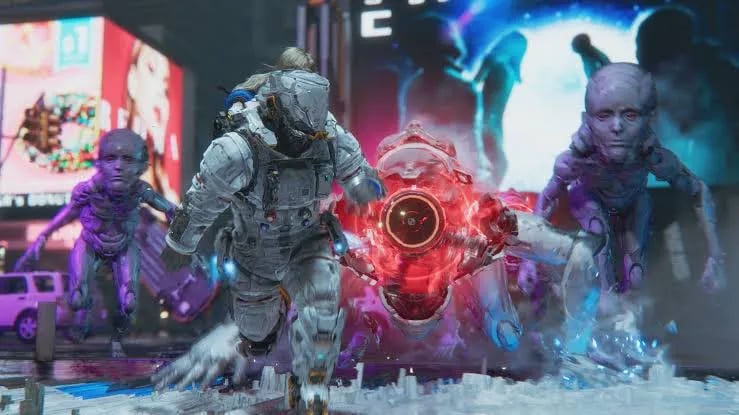
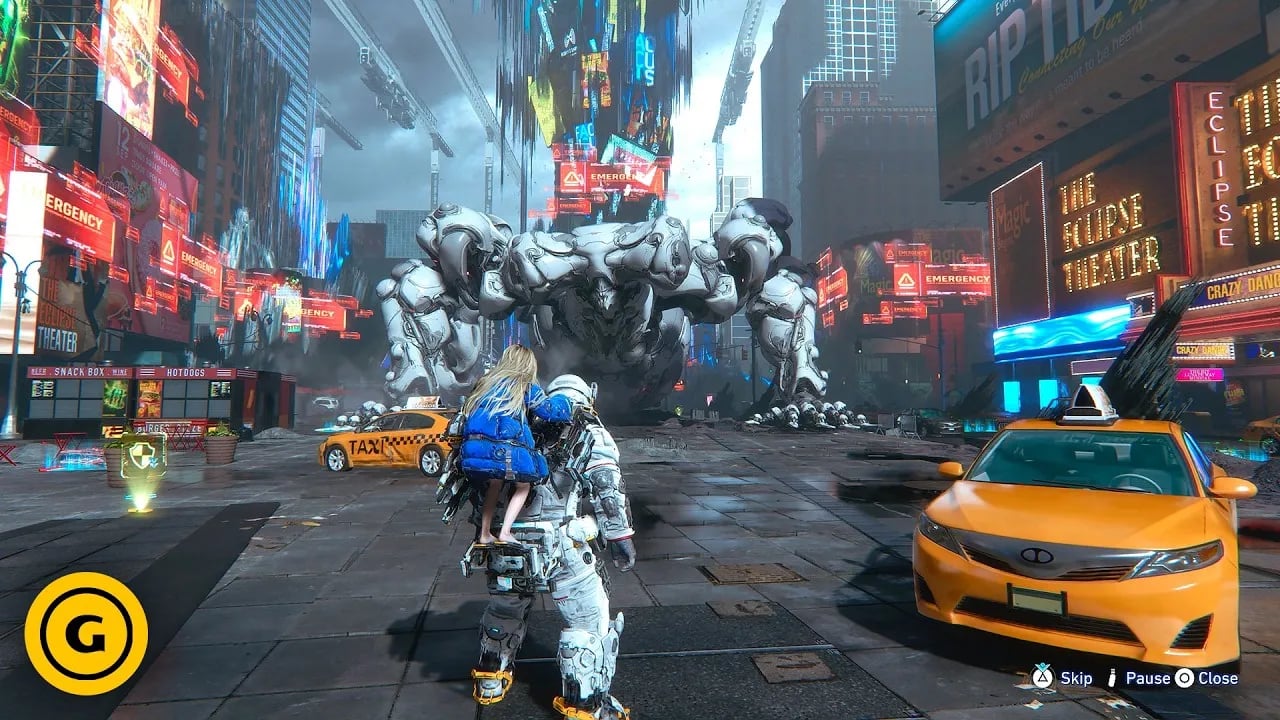
One area recreates a slice of New York for the workers' sanity, and it's deliberately wrong. Taxis sink into the road and buses sprout walls, as if a machine had rebuilt a city from memory and missed the details. Capcom built that glitched look by hand, and walking it with a kid who has never seen a real street was my favorite stretch of the campaign.
It does wear its heart on its sleeve. A couple of late scenes lean on sentiment harder than I needed, and Hugh repeats the same few combat barks until I was mouthing them along. Eight, the android Capcom gave its own trailer, drives the back half, and the ending hit me harder than a ten-hour shooter had any right to.
Pragmata Hacking Makes Every Fight Smarter
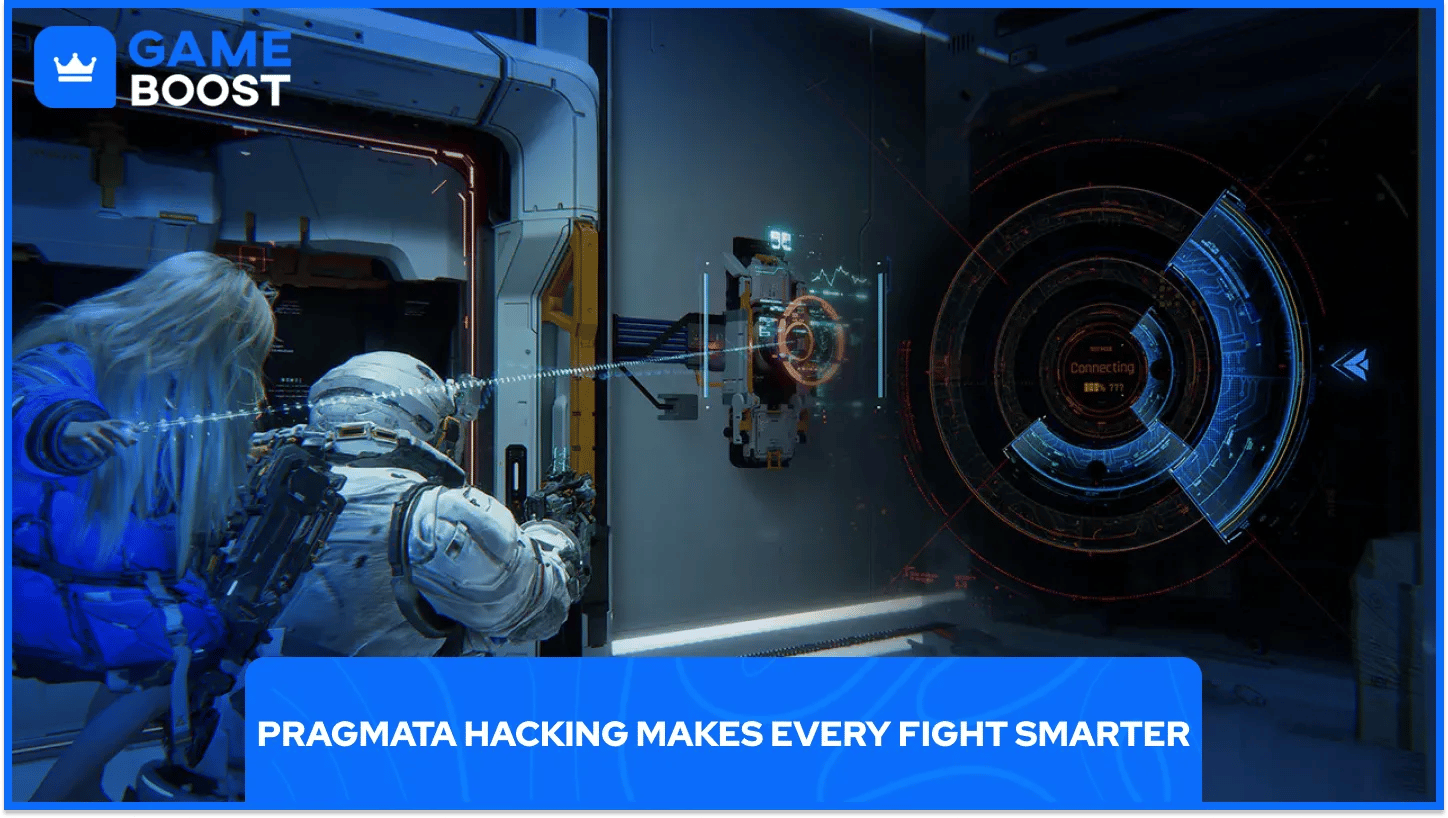
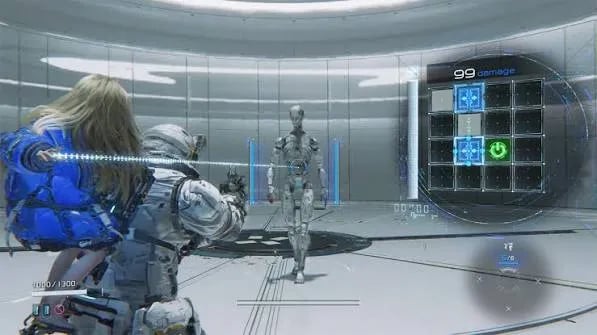
Pragmata hacking is a grid puzzle layered on the shooting. Hold aim on a robot and a small grid pops up on screen. You steer a cursor toward a green EXE node with the face buttons, and Hugh keeps moving and aiming with the sticks. Finish the route and the robot goes Open, its armor stripped for Hugh's guns.
Sounds like a lot to juggle? For the first hour, it is. Blue nodes extend how long the enemy stays Open and add hack damage, so the long route through two of them usually beats the quick dash to EXE. Yellow nodes trigger the abilities slotted into my loadout, purple ones set up a Critical Shot finisher, and gray barriers force detours. Red Error nodes cancel the hack and jam Diana for a moment, which cost me more health in the first two sectors than any enemy did.
Once I stopped looking at my thumbs, the rhythm clicked: jetpack dodge, keep the cursor moving, hit EXE, swing onto the exposed weak point. Then I'd start the next grid before the first bot recovered. Clicking both sticks fires the Overdrive Protocol, which arrives after the first boss. It's a pulse that Opens, damages and stuns everything nearby, and I learned to save it for each room's second wave.
Pure Lunum spent at the Shelter keeps the system fresh with hacking modes such as Offense Mode, which turns blue nodes into extra weapon damage after the hack. Strike Mode converts them into raw damage, at the cost of the enemy re-armoring right away. Swapping between those two changed my boss fights more than any new gun did.
Hugh's Guns Need Diana To Matter
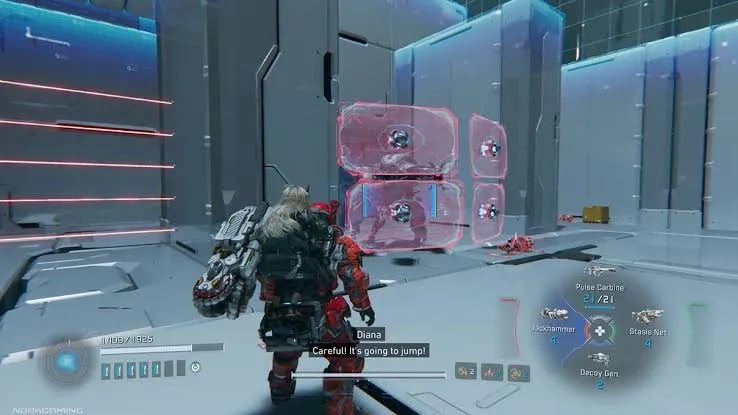
Hugh's arsenal fills four slots. The Primary Unit's ammo recharges whenever I stopped firing, the Attack Unit carries a few heavy shots, the Tactical Unit covers crowd control and the Defense Unit protects Hugh or redirects enemies. New weapons come from the Unit Printer at the Shelter, paid for with the Lunafilament robots drop when they break.
Most of these guns barely dent an armored robot until Diana has opened it up. Unloading the Primary Unit into a closed bot feels like throwing pebbles at a car. Once I accepted that, I stopped treating weapons as damage sources and started treating them as tools for the window after a hack. Sticky Bombs went onto Open enemies, and the Decoy Generator pulled attention as I worked a grid on a second target.
Healing items run out fast, and early on I hoarded them like a survival-horror player, a very Capcom habit to carry into a sci-fi shooter. Escape Hatches send Hugh back to the Shelter to heal, restock those items and change his loadout, so I planned most upgrade runs around reaching the next one.
Melee shows up far too late. Hugh has no basic melee attack, so a small drone in my face meant backing off and burning a dodge. The jackhammer, the game's melee weapon, only turns up after the credits, and by then my habits were set.
The Shelter Turns Downtime Into Progress
The Pragmata Shelter is the hub between sectors, and the game slows down on purpose there. Trams run out to each part of The Cradle, starting with the Solar Power Plant and moving through the Mass Production Array, Terra Dome, Lunum Mines and beyond. Beating sector bosses earns License Keys that raise the Shelter's level and open new upgrades.
Almost every upgrade decision I made happened here. The Firmware Updater spends components on Hugh's suit, the Primary Unit and Diana's hacking. The REM Replicator turns the Earth Memories I gave Diana into replica items and Cabin Coins. The Simulation Pod runs Training Simulations that pay out more Cabin Coins, and they taught me more about hacking routes than the campaign did.
Diana's small moments kept me lingering. She plays hide-and-seek around the Shelter, reacts to every gift, and the space itself changes as the story moves on. I could have skipped all of it and never did, since those scenes fed straight into why I cared about the next sector.
Tracking what I'd missed was messier. Safe Boxes, Pure Lunum, figures and Earth Memories are spread through every sector, and I kept forgetting which rooms I'd fully cleared. A cleaner per-area checklist would have saved me a few aimless laps.
The Final Sectors Get Cramped And Cruel
Pragmata difficulty comes in three settings: Casual, Standard and Lunatic. I played Standard, where resources come slower and every healing item matters. After a game over, Standard offers a drop to Casual, which is permanent for that save. Lunatic opens only after one full clear, on a fresh save, so it can't be stacked with New Game+.
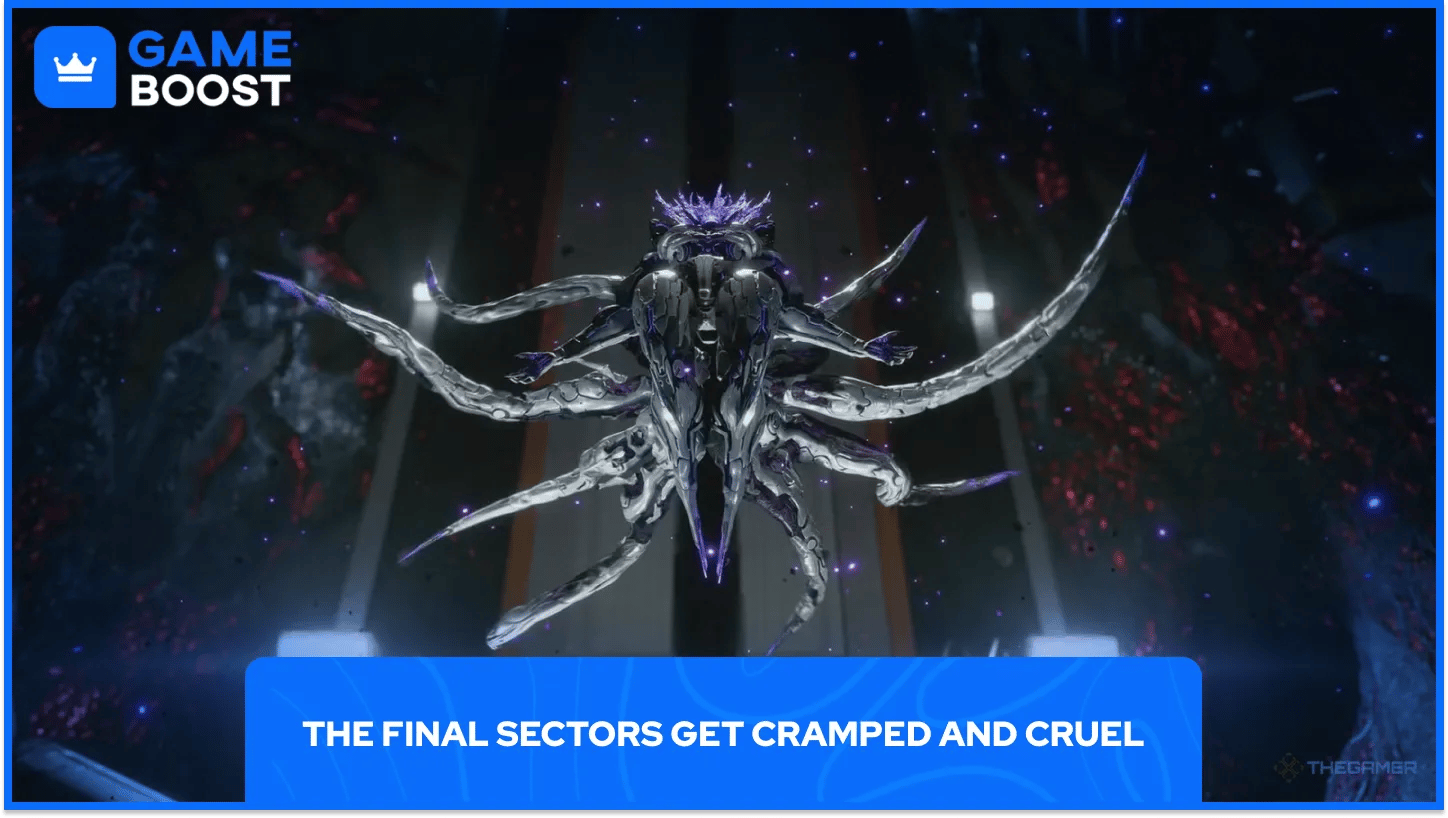
For two-thirds of the campaign, Standard felt fair. Then the final stretch packs bigger groups into tighter rooms, adds corrupted nodes to the grids and brings in heavy enemies that nearly erase Hugh in one hit. I'd built around dodging and barely touched suit health, so every room started ending at the last checkpoint.
In a Steam discussion thread, a player going by Lirexio told someone stuck in that section to pour upgrades into suit health, and that matched exactly what fixed it for me. I put my components into the suit and slotted Multihack, which spreads node effects to other targets. The same rooms went from impossible to tense, though the cramped layouts make those hours less inventive than the middle of the game.
Accessibility is the bigger gap. The hacking demands fast, precise button sequences, and Casual doesn't change it at all. Players who struggle with quick inputs get little help until an Auto-Hacking ability turns up later among the upgrades. Capcom did lower the difficulty of Training Simulation #30, Stand or Die, in the June 19, 2026 update, so balance is on its radar.
Is Pragmata Worth Buying Right Now?
Yes, for anyone who wants a single-player action game built around a new idea. It's a complete campaign of around 10 to 12 hours, closer to 20 with the simulations and collectibles, with no multiplayer and no battle pass. It's on PS5, Xbox Series X|S, PC and Nintendo Switch 2, and the official site lists the editions and stores.
The game is stable and finished. Capcom's update page lists a PS5 Pro upscaling patch on April 21, 2026, the Scribble Suit and the Stand or Die nerf on June 19, 2026, and text fixes on September 17, 2026. A free Mega Man-themed pack of outfits, gestures and music has joined them. Capcom said the game passed one million units within two days, and the official site puts it past two million.
Wait if fast, fiddly inputs are a problem for you, since the hacking is the whole game. The Switch 2 version runs at a much lower resolution with a variable frame rate. Anyone with a choice should pick PS5, Xbox Series X or PC, and the Steam version adds path tracing, which makes The Cradle look its best. If the description leaves you curious rather than sold, a sale is a fine time to jump in.
FAQs About Pragmata
Final Words
Pragmata's control scheme does a lot of work for its story. Diana is literally in your hands every time you open a grid, so the bond the cutscenes point at is something you build in every fight. That design choice explains why the ending landed for me with a fairly simple plot.
The last few hours are the weak spot. Smaller rooms and heavier enemies turn the hacking from problem solving into survival under pressure, and the game is less interesting there. Put upgrade components into suit health well before you reach those sectors.
If Capcom makes a second one, more varied late-game encounters and real hacking assist options would fix almost everything I disliked here. As it stands, I'd hand this to almost any action fan without a second thought.
GameBoost Products
Pragmata Game Key
View all GameBoost Game Keys
View all GameBoost Accounts
View all GameBoost Boosting Services
View all GameBoost Currencies
View all GameBoost Gift Cards
View all GameBoost Top Ups
View all GameBoost Items