

•Patrik Mršnik• 14 min read
Game Keys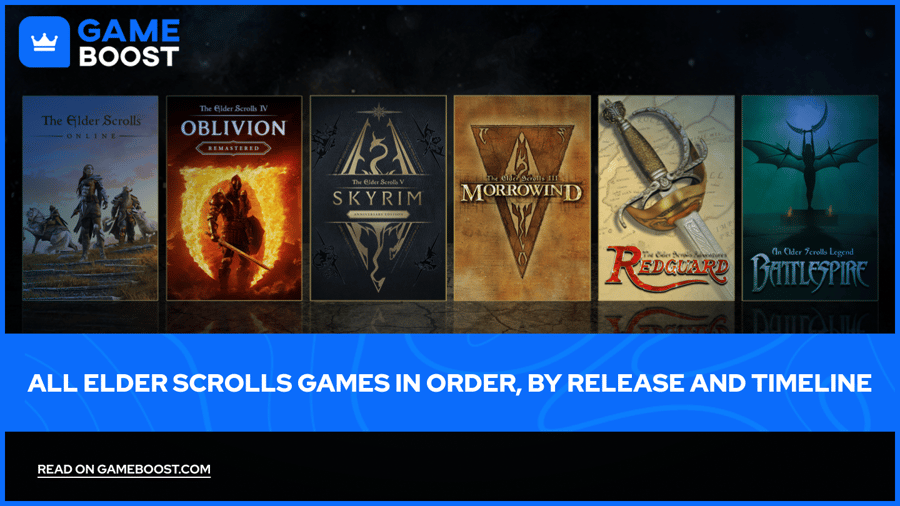
Lining up the Elder Scrolls games in order sounds easy until you notice that the 2014 MMO is set roughly 700 years before the 1994 original. The Elder Scrolls has spent more than three decades jumping back and forth across Tamriel's history, so the release order and the Elder Scrolls timeline barely match.
This list of Elder Scrolls games by release date covers every mainline entry and every major spin-off, with the in-world date for each one and a quick take on which are worth your time today. If you want to pick any of them up on PC, our Elder Scrolls games collection has keys for most of the lineup.
# | Game | Released | Type | Place in the story |
|---|---|---|---|---|
1 | 1994 | Mainline | 3rd, 3E 389–399 | |
2 | 1996 | Mainline | 5th, 3E 417 | |
3 | 1997 | Spin-off | 4th, same years as Arena (3E 389–399) | |
4 | 1998 | Spin-off | 2nd, 2E 864 | |
5 | 2002 | Mainline | 6th, 3E 427 | |
6 | 2006 | Mainline | 7th, 3E 433 | |
7 | 2011 | Mainline | 10th, 4E 201 | |
8 | 2014 | MMO | 1st, 2E 582 | |
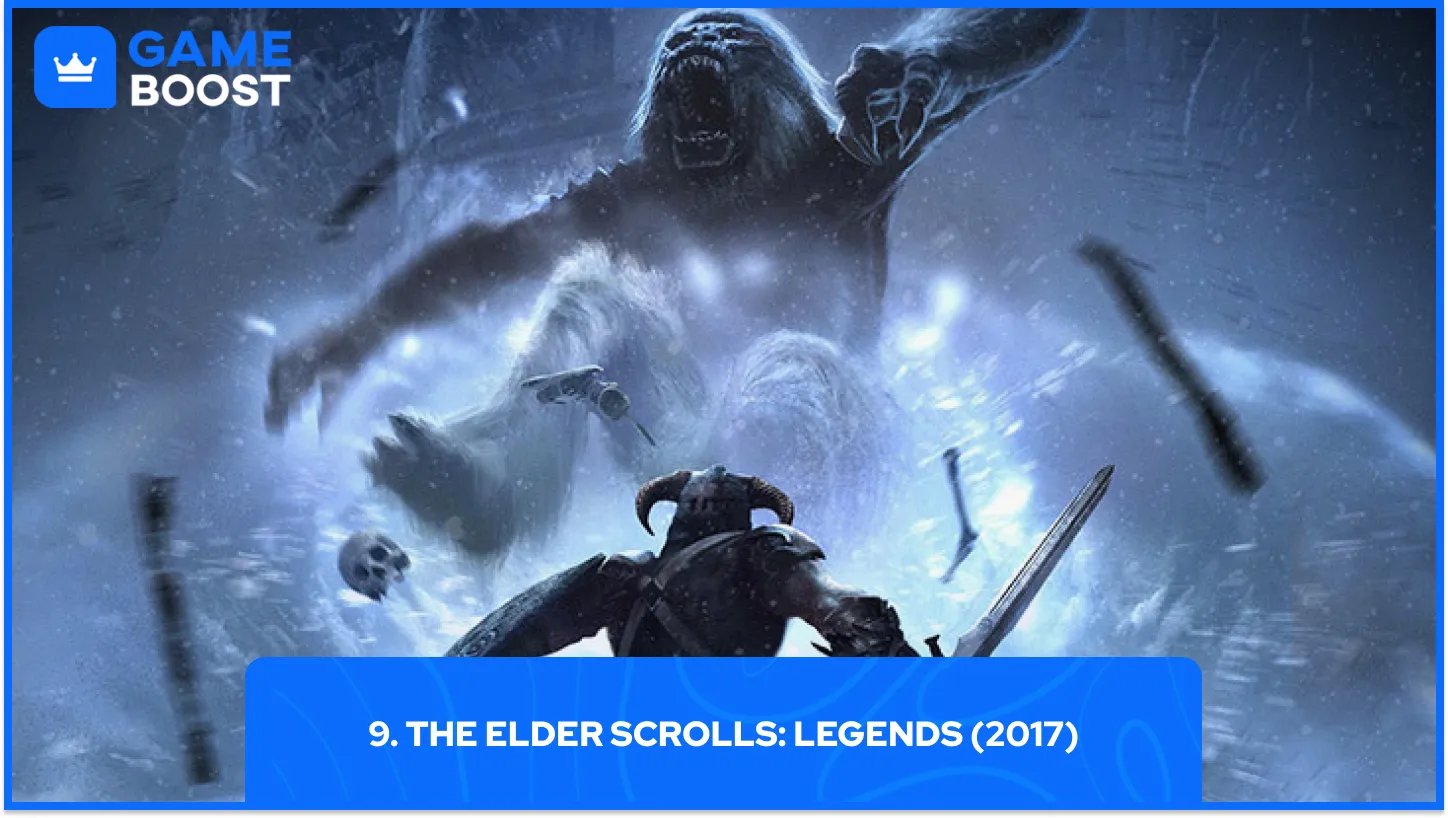
9 | The Elder Scrolls: Legends | 2017 | Card game | 8th, Great War (4E 171–175) |
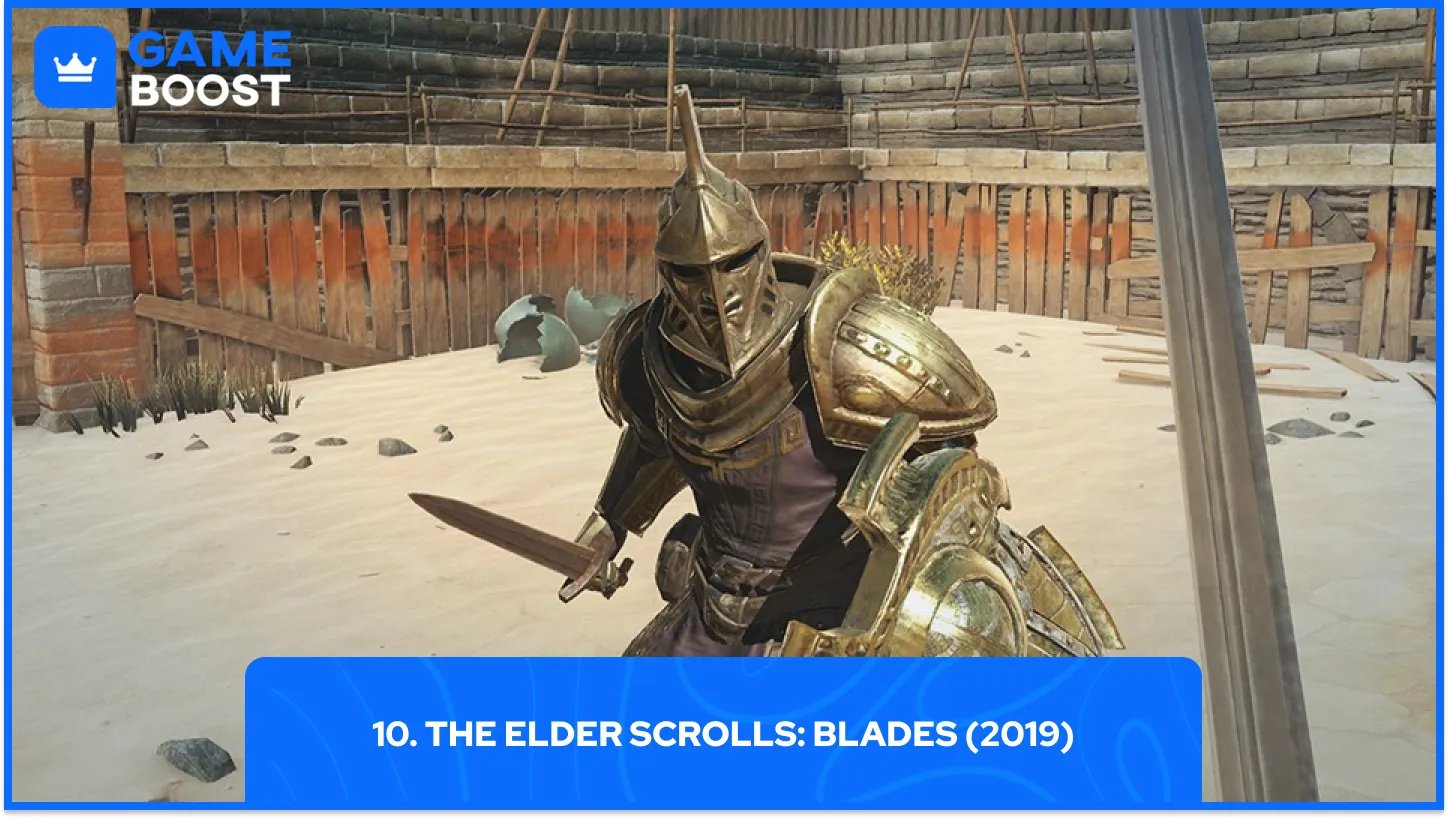
10 | The Elder Scrolls: Blades | 2019 | Mobile spin-off | 9th, around 4E 180 |
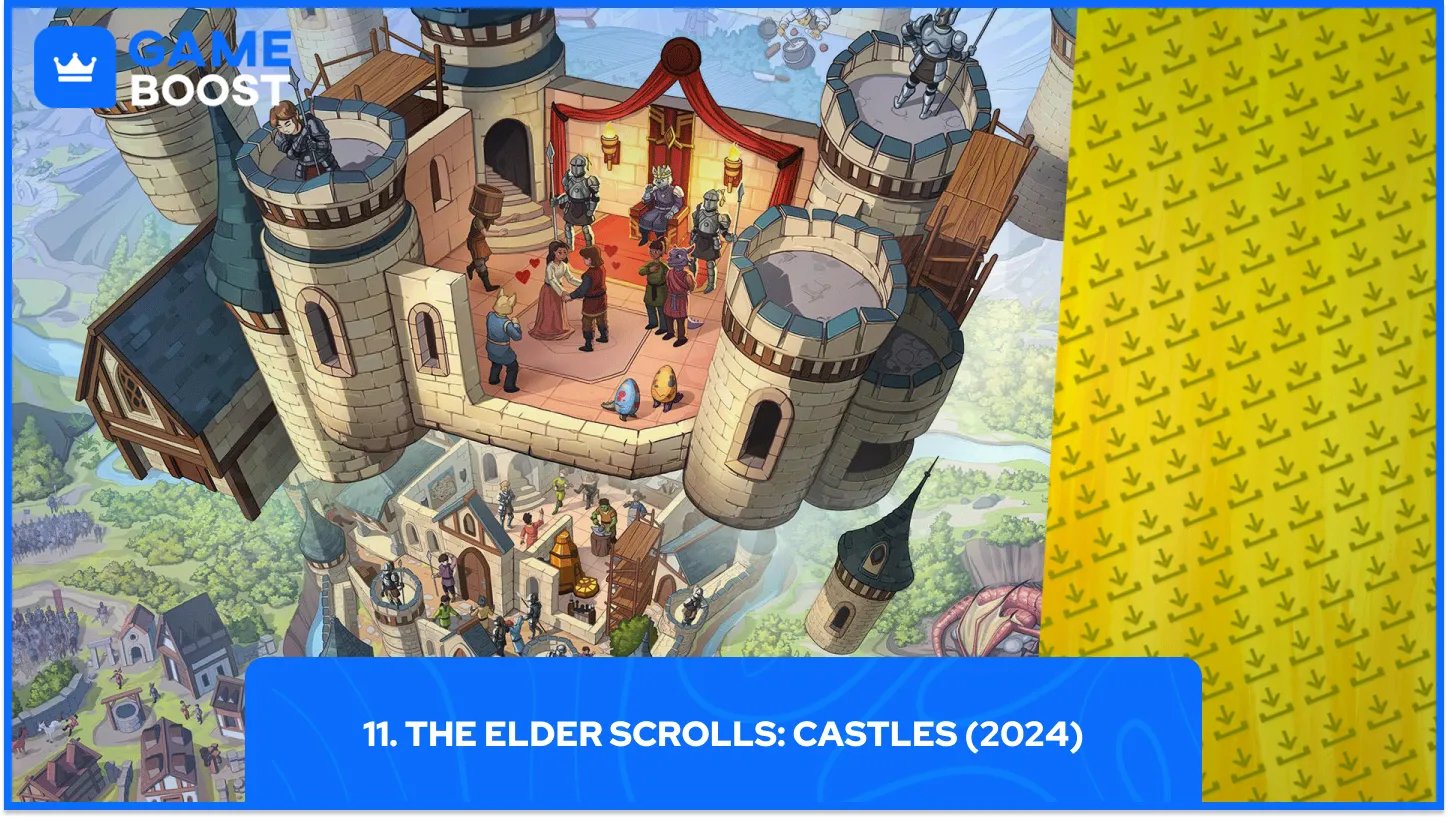
11 | The Elder Scrolls: Castles | 2024 | Mobile spin-off | No fixed date, loosely Skyrim's era |
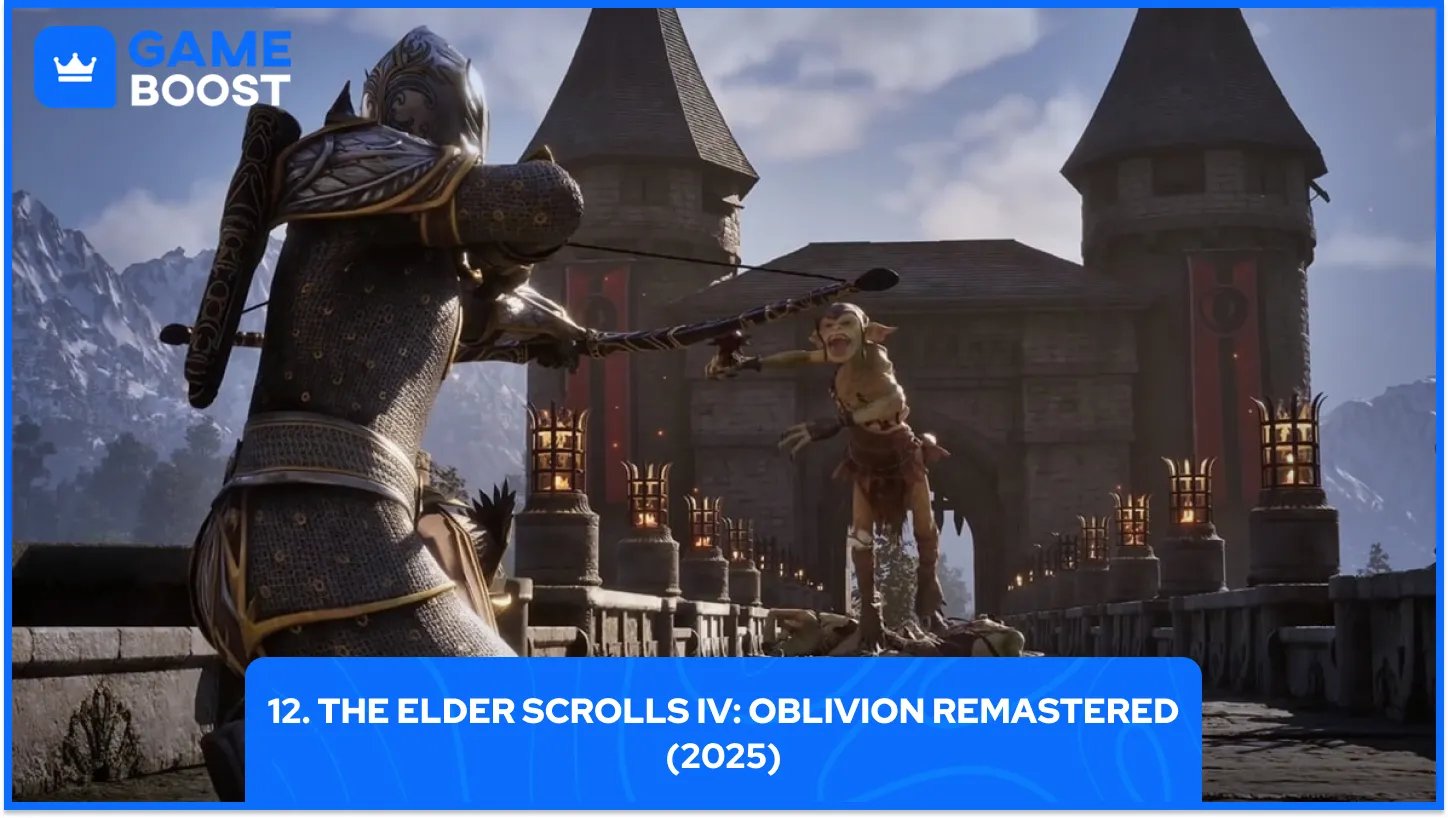
12 | 2025 | Remaster | Same as Oblivion, 3E 433 |
Want the Elder Scrolls story order instead? Start with The Elder Scrolls Online in 2E 582, then move to Redguard and Arena, with Battlespire running in the same years as Arena. Daggerfall, Morrowind and Oblivion (or its remaster) follow. Legends covers the Great War early in the Fourth Era, Blades picks up around 4E 180, and Skyrim closes the line in 4E 201. Castles never pins itself to a year, and each game tells a standalone story, so you can start anywhere without getting lost.
Details | Information |
|---|---|
Developer | Bethesda Softworks |
Release Date | March 25, 1994 |
Players | Single-player |
Platforms | MS-DOS (free on Steam) |
Protagonist | Unnamed prisoner, later the Eternal Champion |
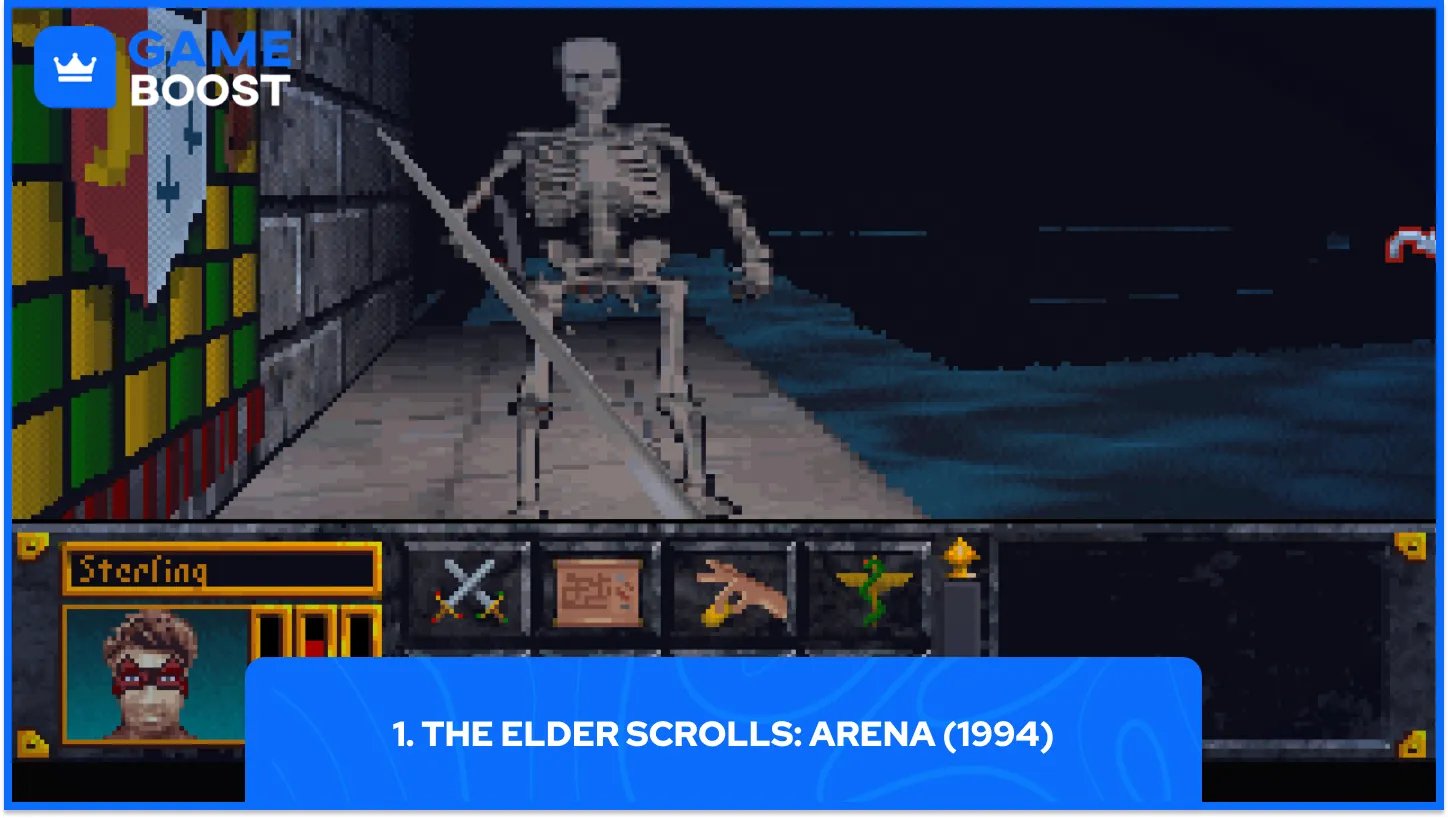
Arena opens in an Imperial dungeon. The battlemage Jagar Tharn has trapped Emperor Uriel Septim VII in another dimension and taken his place on the throne. The ghost of Ria Silmane, the apprentice he murdered, guides you out of your cell. From there you cross Tamriel hunting the eight pieces of the Staff of Chaos, each one buried in a dungeon in a different province. It's still the only single-player entry that lets you visit every province on the continent.
Bethesda first pitched it as a gladiator tournament game, which is where the name comes from, and the RPG grew around that idea during development. It plays exactly like a 1994 DOS game: grid-based cities, random wilderness dungeons, a punishing opening and controls that need patience. Bethesda gave it away for free years ago, and you can still grab The Elder Scrolls: Arena on Steam at no cost.
My Verdict: A museum piece that's worth an hour if you want to see where the series started. Most players should read about it and move on.
Details | Information |
|---|---|
Developer | Bethesda Softworks |
Release Date | September 20, 1996 |
Players | Single-player |
Platforms | MS-DOS (free on Steam) |
Protagonist | Custom character, an agent of the Emperor |
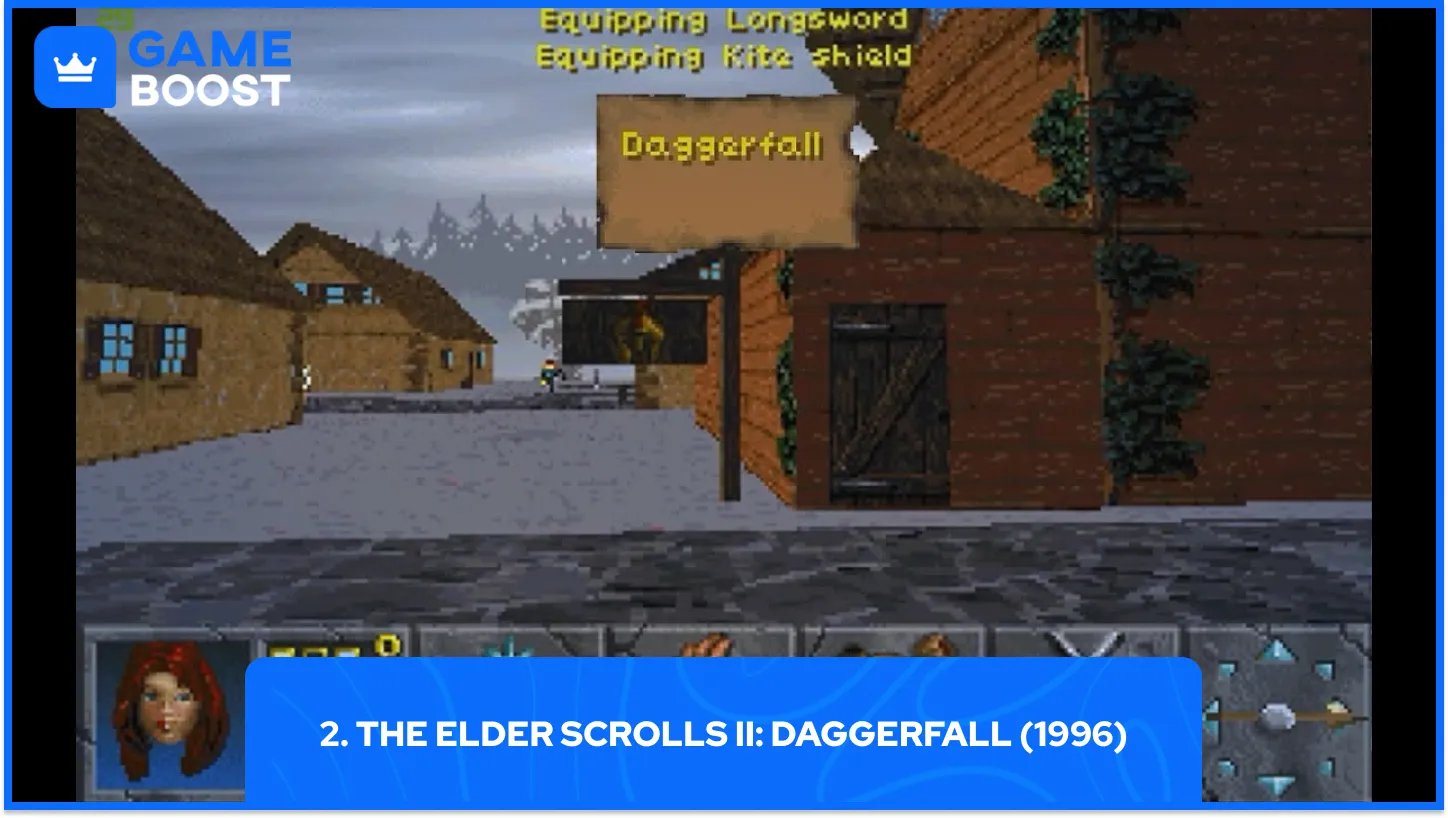
Uriel Septim VII sends you to the Iliac Bay with two jobs: free the ghost of King Lysandus and find out what happened to a letter the Emperor wrote to the former queen of Daggerfall. That letter points to the Mantella, the gem that drives the Numidium, a giant brass golem every faction in the region wants for itself. The story branches into several endings, and Bethesda later folded all of them into canon through an event called the Warp in the West.
Bethesda designed the map to be roughly the size of Great Britain, with around 15,000 towns, villages and dungeons, so the procedural generation that fills it can feel thin up close. Character creation goes deeper than any later entry, with custom classes plus advantages and disadvantages you pick yourself. The Elder Scrolls II: Daggerfall is free on Steam, and the fan-made Daggerfall Unity project rebuilds it in a modern engine if the DOS version scares you off.
My Verdict: The most ambitious game Bethesda ever shipped, with the bugs to match. Play it if you want the deepest roleplaying the series has offered.
Details | Information |
|---|---|
Developer | Bethesda Softworks |
Release Date | Late 1997 |
Players | 1, plus online co-op and deathmatch |
Platforms | MS-DOS (on Steam) |
Protagonist | Imperial Battlemage recruit |
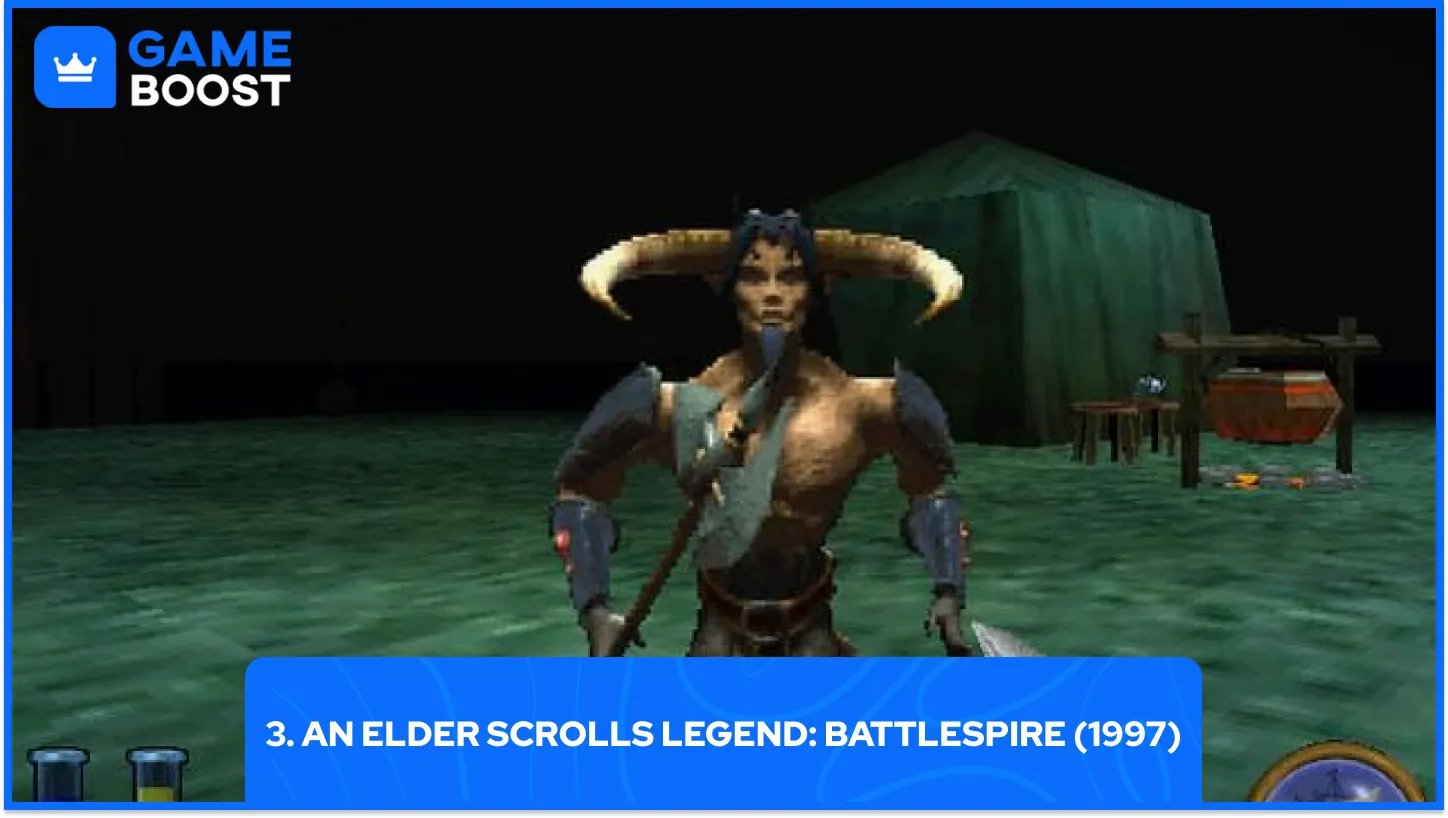
Battlespire is a contained dungeon crawler. You arrive at the Battlespire, a floating academy where the Empire trains its Battlemages, and find that Mehrunes Dagon's Daedra have overrun the place. Chasing them pulls you through several planes of Oblivion, and you never set foot in Tamriel itself. The attack happens during Jagar Tharn's years as the fake Emperor, so the plot ties straight into Arena: knocking Dagon back cuts off the Daedric support Tharn was counting on.
The game started life as a Daggerfall expansion called Dungeon of Daggerfall before Bethesda spun it off into its own release. For 1997 it had surprisingly ambitious multiplayer, with co-op, team and deathmatch modes over LAN or the internet. Those servers are long gone, and the solo campaign is a slow, maze-heavy slog by modern standards.
My Verdict: The easiest game on this list to skip. Lore fans who love Daedra get something out of it, and everyone else loses little.
Details | Information |
|---|---|
Developer | Bethesda Softworks (XL Translab) |
Release Date | November 1998 |
Players | Single-player |
Platforms | MS-DOS (on Steam) |
Protagonist | Cyrus |
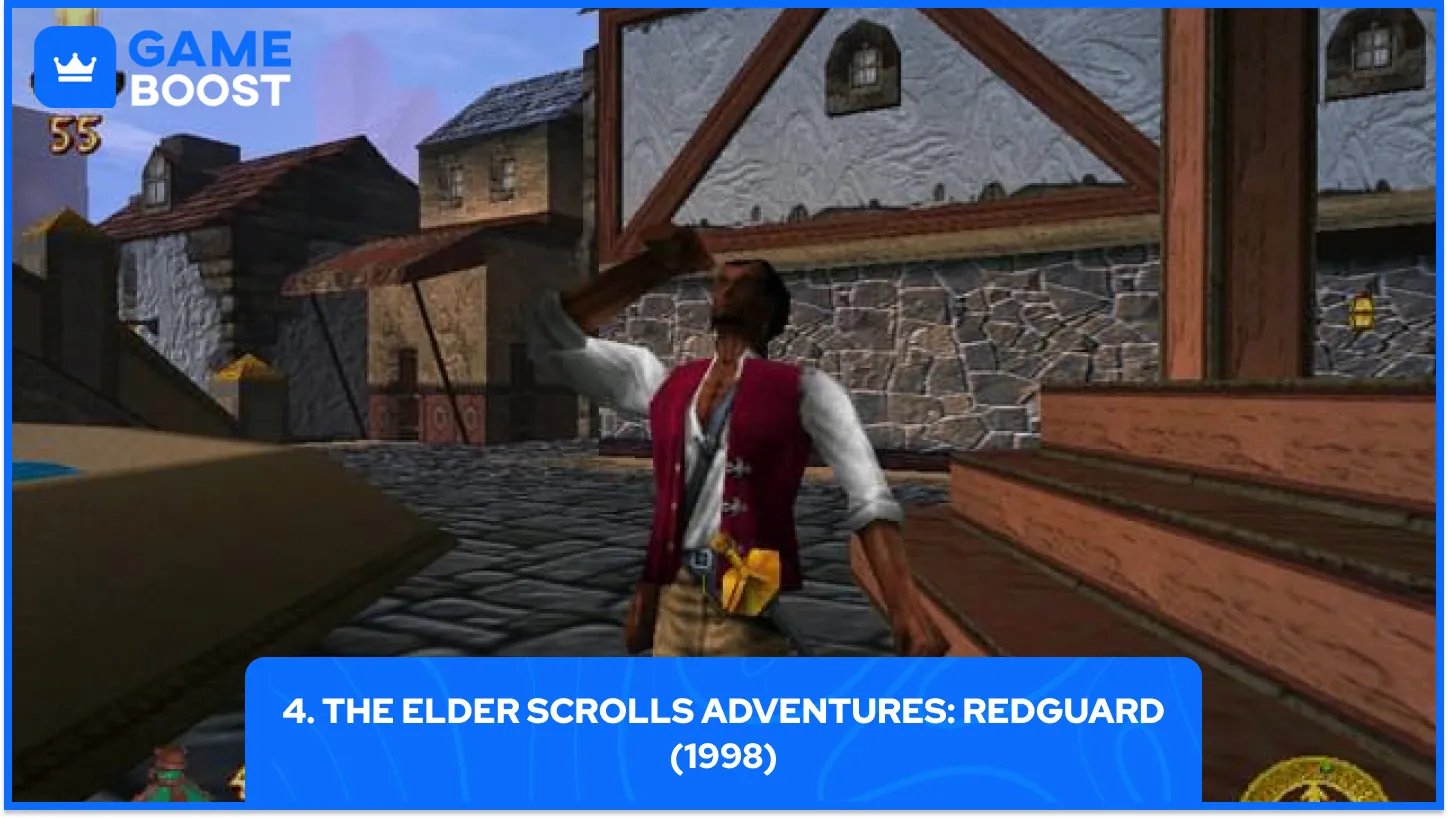
Redguard trades the open RPG formula for a third-person action-adventure with a fixed hero. You play Cyrus, a Redguard mercenary who sails to the island of Stros M'Kai to find his missing sister, Iszara. He lands in the middle of a fight between the locals and Lord Richton, the provisional governor installed after Tiber Septim's Empire took Hammerfell in the last years of the Second Era.
It's the only Elder Scrolls game with a forced third-person camera, and it plays more like Prince of Persia than Daggerfall, with swordfights, ledge climbing and puzzles. The island is small, but Bethesda built every street by hand, which gives it a personality the procedural games lack. Players who started in The Elder Scrolls Online will know Stros M'Kai on sight, since the MMO uses the same island as an early zone.
My Verdict: A charming oddity with clunky combat. It's worth a few evenings if you're curious, and fine to skip if you're not.
Details | Information |
|---|---|
Developer | Bethesda Game Studios |
Release Date | May 1, 2002 |
Players | Single-player |
Platforms | PC, Xbox |
Protagonist | The Nerevarine |
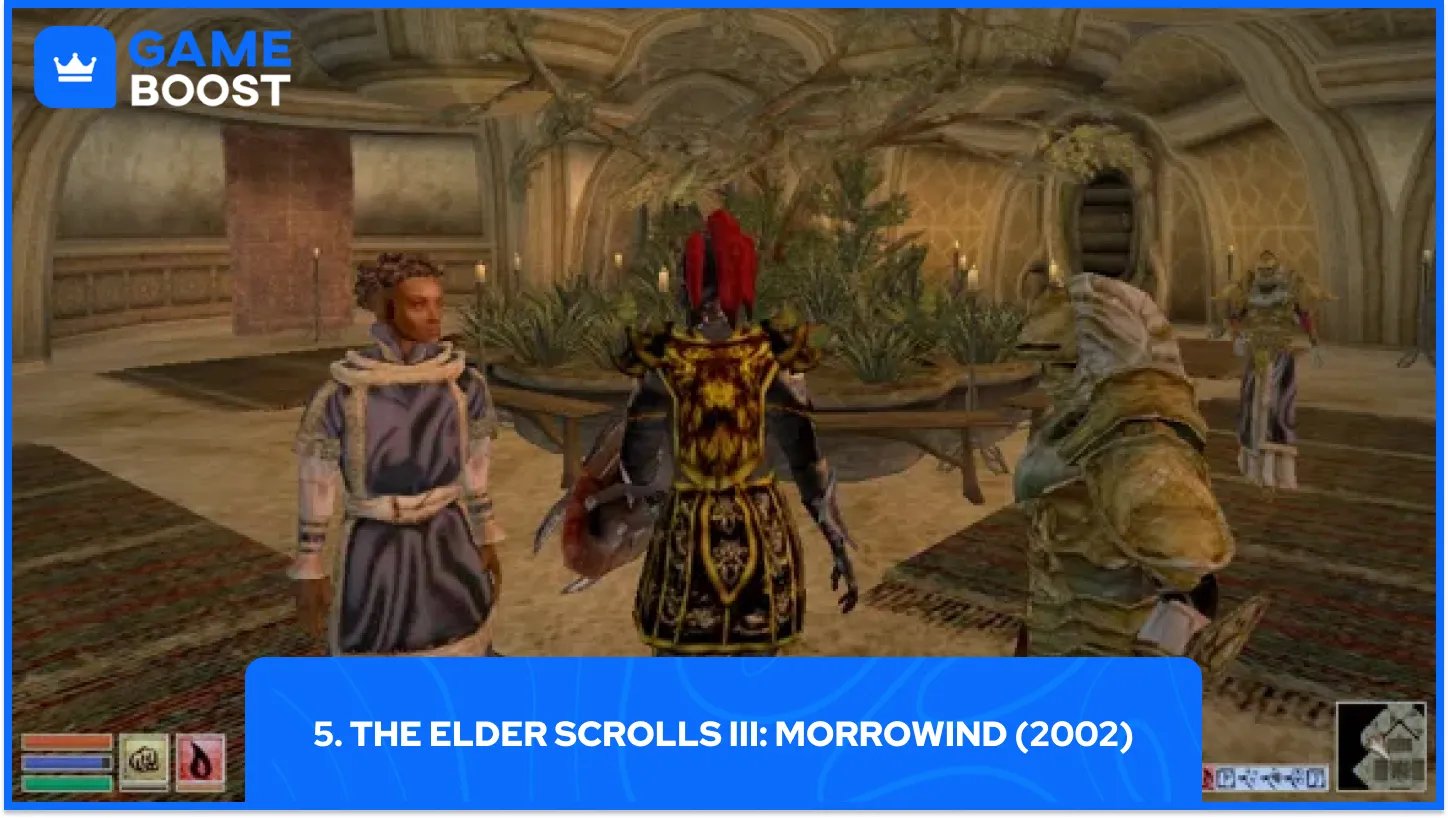
Morrowind drops you off a prison boat in Seyda Neen on the island of Vvardenfell, with orders to report to a Blades agent named Caius Cosades. The Emperor suspects you might be the Nerevarine, the reborn hero of an old Dunmer prophecy. Your real target is Dagoth Ur, who sits under Red Mountain spreading the Blight, and the three living gods of the Tribunal have their own reasons to keep the truth buried.
Nothing in Tamriel looks as strange as Vvardenfell, where wizards live in giant mushrooms and one town is built around an enormous crab shell. There are no quest markers either, so you follow the directions in your journal and actually read the map. The Game of the Year Edition bundles both expansions, Tribunal and Bloodmoon, and Morrowind GOTY keys get you that full package on PC.
My Verdict: The best world Bethesda has built and the best writing in the series. Expect a rough first hour, then the game clicks.
Details | Information |
|---|---|
Developer | Bethesda Game Studios |
Release Date | March 20, 2006 |
Players | Single-player |
Platforms | PC, Xbox 360, PS3 |
Protagonist | The Hero of Kvatch |
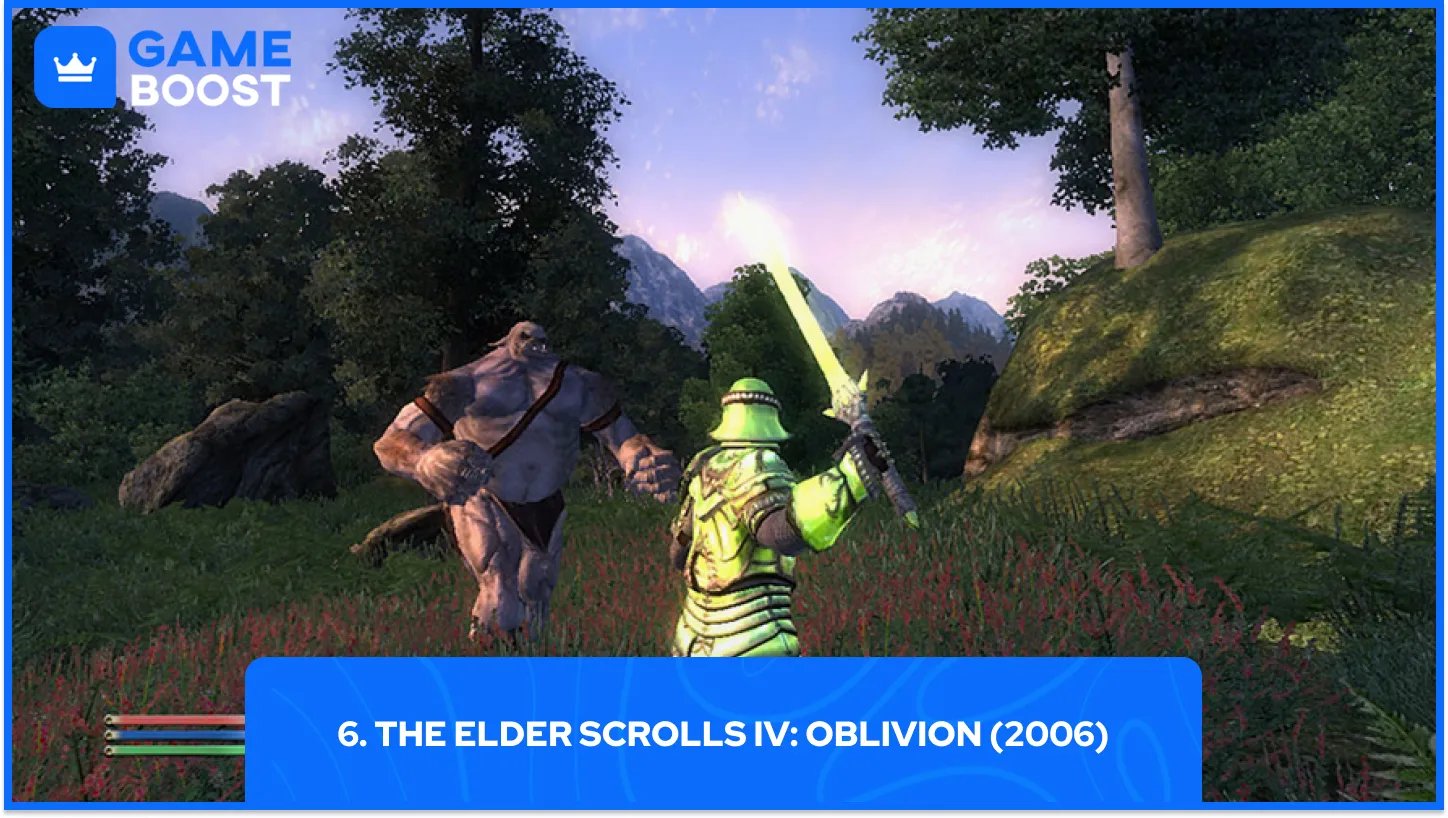
Oblivion starts with Emperor Uriel Septim VII escaping assassins through a secret passage in your prison cell. He dies minutes later, and you're left with the Amulet of Kings and a task: find his last heir, Martin Septim, before Mehrunes Dagon's invasion swallows Cyrodiil. Patrick Stewart voices the Emperor and Sean Bean voices Martin, and the Oblivion Gates opening across the province give the main quest real urgency.
Oblivion's guild quests have aged better than its main plot. The Dark Brotherhood questline remains a series high point, and the Shivering Isles expansion from 2007 sends you into Sheogorath's mad plane of Oblivion for one of the best add-ons Bethesda has made. The level scaling is the weak spot, with bandits suddenly wearing glass armor once you hit higher levels.
My Verdict: A great RPG that the remaster has mostly replaced. Stick with the original only if you plan to mod it heavily.
Details | Information |
|---|---|
Developer | Bethesda Game Studios |
Release Date | November 11, 2011 |
Players | Single-player |
Platforms | PC, PS3, PS4, PS5, Xbox 360, Xbox One, Xbox Series X|S, Switch, Switch 2 |
Protagonist | The Dragonborn |
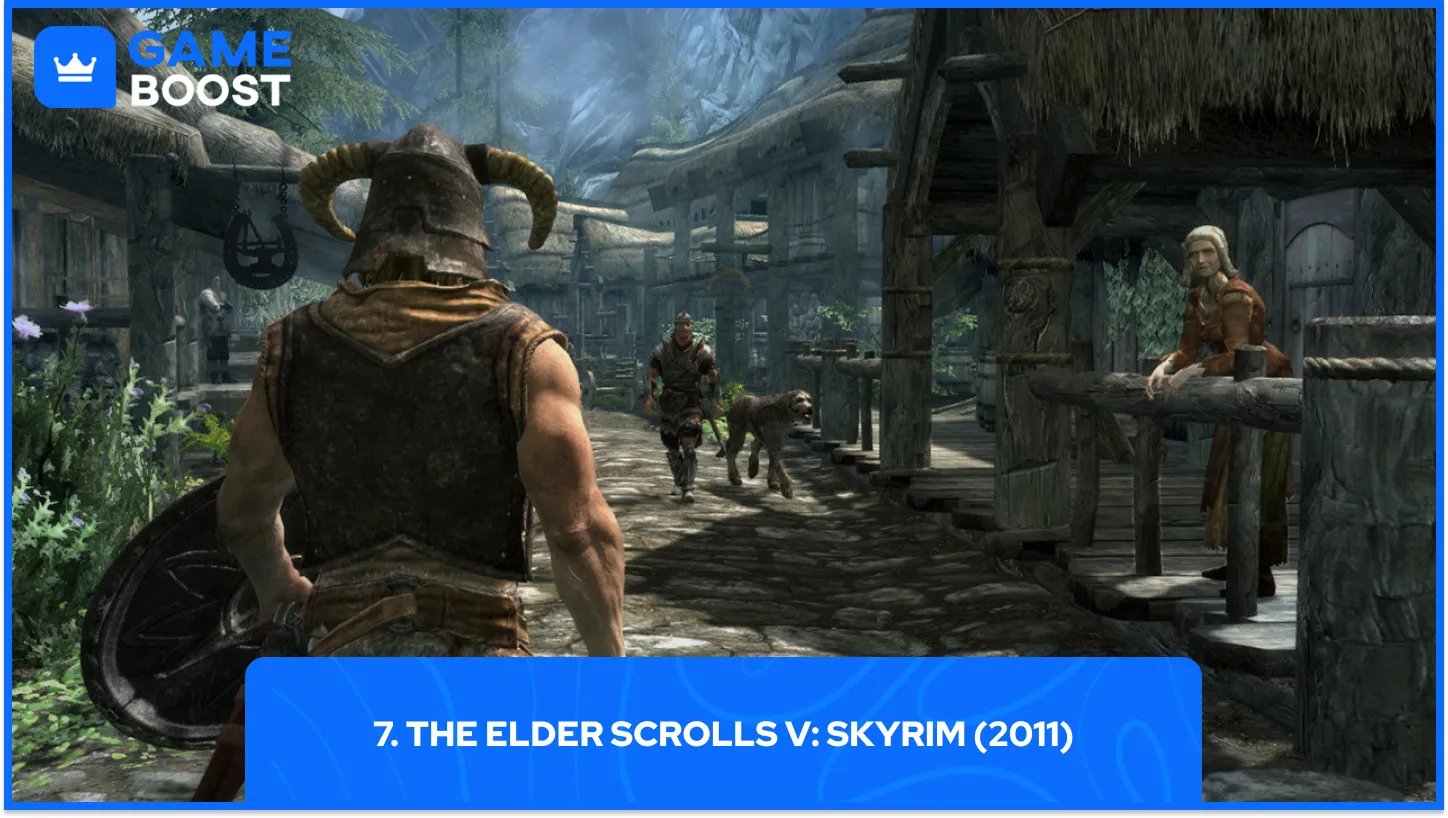
Skyrim opens on a cart headed for an execution in Helgen, until the dragon Alduin burns the town down around you. You turn out to be the Dragonborn, a mortal who absorbs slain dragons to fuel dragon Shouts. Around that main plot runs a civil war between the Stormcloaks and the Imperial Legion, with the Thalmor pulling strings from behind both sides.
The classless skill system lets you become whatever you use, and the world is packed with things to stumble into. Bethesda keeps re-releasing it: Special Edition in 2016, Switch in 2017, Skyrim VR, the Anniversary Edition in 2021 and a Switch 2 version in December 2025. If you're starting from scratch, the Anniversary Edition bundles Dawnguard, Hearthfire and Dragonborn with hundreds of Creation Club items, and Skyrim keys get you started on PC.
My Verdict: The best place to start the series. It's the easiest game here to love, and the mod scene keeps it fresh well into its second decade.
Details | Information |
|---|---|
Developer | ZeniMax Online Studios |
Release Date | April 4, 2014 |
Players | Massively multiplayer |
Platforms | PC, Mac, PS4, PS5, Xbox One, Xbox Series X|S |
Protagonist | The Vestige |
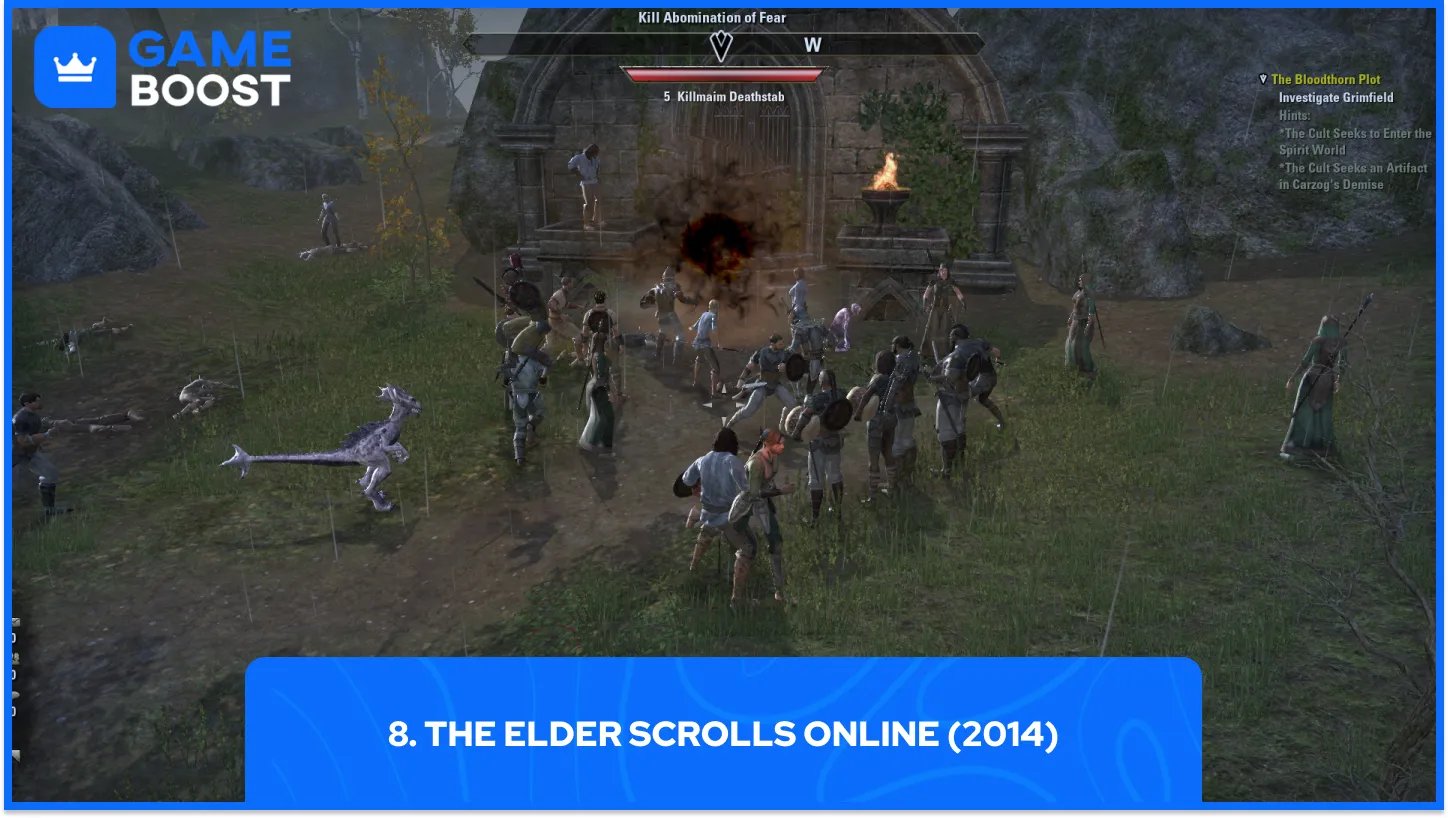
The Elder Scrolls Online sits earlier in the timeline than any other game here, in 2E 582, during the Interregnum, when no true emperor rules Tamriel. You begin as the Vestige, a prisoner sacrificed to the Daedric Prince Molag Bal, and break out of Coldharbour, his plane of Oblivion. Molag Bal wants to merge Tamriel with it. Meanwhile, three alliances (the Aldmeri Dominion, the Daggerfall Covenant and the Ebonheart Pact) fight over the Ruby Throne.
ESO launched with a subscription, dropped it in 2015, and slowly turned into one of the most content-heavy MMOs around. Yearly Chapters took players back to Morrowind, Summerset, Elsweyr and western Skyrim, and from 2026 the game moved to quarterly Seasons instead of one big Chapter per year. You can check the current season on The Elder Scrolls Online official site, and Elder Scrolls Online accounts are the quickest way in on PC.
My Verdict: The best way to see Tamriel's biggest map, as long as you like MMOs. Solo players can treat it as a huge single-player RPG with other people in the background.
Details | Information |
|---|---|
Developer | Dire Wolf Digital, later Sparkypants Studios |
Release Date | March 9, 2017 |
Players | 1 (story) or 2 (PvP) |
Platforms | PC, Mac, iOS, Android |
Protagonist | The Forgotten Hero |
Legends was Bethesda's answer to Hearthstone, a free-to-play card game split into two lanes, one of which hides your creatures for a turn. Each player has runes, one for every five health, and breaking one draws a card that you can sometimes play for free on the opponent's turn. The solo story casts you as the Forgotten Hero, standing against the High Elf Naarifin in Cyrodiil.
The lane system gave it a smart twist on the genre, but it never found a big audience. Bethesda halted development in December 2019, pulled the game from Steam in November 2024 and switched off the servers on January 30, 2025. It's now unplayable on every platform.
My Verdict: A clever card game that you can't play anymore. It's on this list for completeness.
Details | Information |
|---|---|
Developer | Bethesda Game Studios |
Release Date | March 2019 (early access), May 12, 2020 (full launch) |
Players | Single-player, plus PvP Arena |
Platforms | iOS, Android, Switch |
Protagonist | A former member of the Blades |
Blades is a first-person dungeon crawler built for phones. Set in the Fourth Era after the Great War, it puts you in the boots of an ex-Blade who comes home to find the town razed by mercenaries working for the Bloodfall Queen. You rebuild the town building by building, clear story dungeons, run the endless Abyss mode and fight other players in the Arena.
It spent more than a year in early access, dragged down by timed chests and repetitive dungeons, then got a full launch and a Switch version in May 2020. Bethesda delisted it in early 2026 and shut the servers down on June 30, 2026, with no offline version left behind.
My Verdict: A decent mobile game that never felt like a real Elder Scrolls entry. With the servers gone, it's history now.
Details | Information |
|---|---|
Developer | Bethesda Game Studios |
Release Date | September 10, 2024 |
Players | Single-player |
Platforms | iOS, Android |
Protagonist | A dynasty of rulers |
Castles is a castle management sim in the mold of Fallout Shelter. You rule a royal dynasty, put your subjects to work at the castle's workstations and make your rulings from the throne. As the years pass, new rulers take over, and you name the heirs. One real day counts as a full year in the game, so a single week covers seven years of your kingdom's history.
Bethesda tested it in a limited Android early access in September 2023 and soft-launched it country by country through 2024, before the worldwide release on September 10, 2024. It's free-to-play with in-app purchases, and it doesn't connect to any point in the main Elder Scrolls story order.
My Verdict: A pleasant phone game for short sessions. It's the only Elder Scrolls mobile title still running, which counts for something.
Details | Information |
|---|---|
Developer | Bethesda Game Studios, Virtuos |
Release Date | April 22, 2025 |
Players | Single-player |
Platforms | PC, PS5, Xbox Series X|S, Switch 2 |
Protagonist | The Hero of Kvatch |
Bethesda shadow-dropped Oblivion Remastered on April 22, 2025, the same day it revealed the game. It rebuilds Cyrodiil's visuals in Unreal Engine 5 and keeps the original engine running the game logic underneath, so quests and the old quirks behave the way you remember. The Oblivion Remastered launch post confirms the standard edition includes Shivering Isles, Knights of the Nine and eight smaller DLC packs.
Beyond the new look, sprinting is in, and the developers reworked leveling with ideas borrowed from Skyrim, so you no longer need to plan every skill-up. The Deluxe Edition adds Akatosh and Mehrunes Dagon armor sets plus a digital artbook and soundtrack. A Switch 2 version followed on August 11, 2026, and Oblivion Remastered keys get you the PC version.
My Verdict: The best way to play Oblivion today. It's the strongest entry point after Skyrim if you want a classic Elder Scrolls story.
The Elder Scrolls has spent most of the last two years trimming back. Two spin-offs went dark within 18 months, ESO swapped its yearly Chapters for smaller seasons, and the one big launch was a remaster of a 2006 game. Right now the series lives on its old single-player entries and its MMO.
That makes catching up simpler than it looks on the table. Skyrim and Oblivion Remastered run on current hardware, and Arena and Daggerfall cost nothing on Steam. Morrowind, Oblivion Remastered, Skyrim and ESO cover most of what makes the series special.
Nobody outside Bethesda knows when The Elder Scrolls VI lands. Todd Howard told GQ in November 2025 that the team had just held a big playtest, and he also said the game is still a long way off. Until that changes, play Skyrim if you haven't, and give Morrowind a fair shot.
All Elder Scrolls Games Collection
View all GameBoost Game Keys
View all GameBoost Accounts
View all GameBoost Boosting Services
View all GameBoost Currencies
View all GameBoost Gift Cards
View all GameBoost Top Ups
View all GameBoost Items
“ A former sports journalist and editor, Patrik joined Gameboost SEO team in 2026. He has spent most of his life playing Football Manager, but his sphere of interests spreads through whole gaming universe.”