


•Patrik Mršnik• 6 min read
Games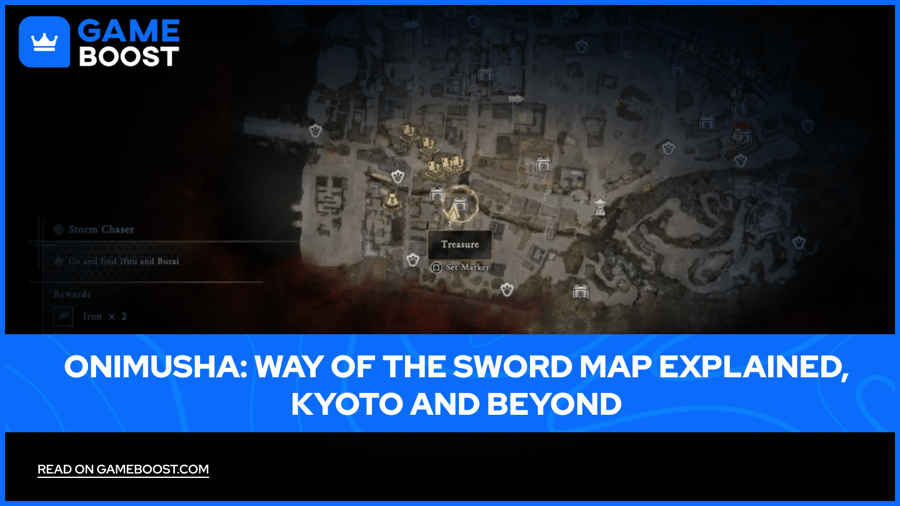
The Onimusha: Way of the Sword map sits somewhere between a corridor and an open world. Onimusha: Way of the Sword is a largely linear action game, built from handmade story levels, with one open Kyoto zone tying them together. Almost all the side content lives in that hub, so it decides how long your run takes.
It's also the part that cost the game the most in our Onimusha: Way of the Sword review. The duels and bosses carry the campaign, and the open city slows it down between them.
This page explains the layout, the Kyoto open zone, Spirit Mirror fast travel, and which activities earn your time.
The game spans nine main areas and 23 story chapters, with Eastern Kyoto acting as the open hub.
The Kyoto open zone opens in Chapter 3, Kyoto, Corrupted, right after the Daidara fight.
The city starts in grayscale and regains color as you seal Rifts and clear corruption.
Side content includes 8 Mysteries of Kyoto, 36 Lion Dogs, 18 Chance Encounters and 23 Genma Notes.
21 of the 36 Lion Dog locations sit in Eastern Kyoto, and rescuing them earns new sword appearances.
Our verdict: the Mysteries are worth it for the folklore, and the rest is best done only when you need materials.
The Onimusha Way of the Sword map is split into nine main areas, with Eastern Kyoto as the open hub and the rest as story levels reached through the 23 chapters. The official Onimusha: Way of the Sword site sets the story in Kyoto, and Capcom consulted real temple officials for locations such as Kiyomizu-dera.
Community trackers list these areas as Kiyomizu-dera Temple, Oni Refuge, Kyoto (Corrupted), Nijo-jo Castle, Kyoto Imperial Palace, Underground Laboratory, Arashiyama, Mount Oe and Shanaoh Castle.
Area | What it is | Lion Dogs |
|---|---|---|
Eastern Kyoto | Open hub, most Spirit Mirrors | 21 |
Mount Oe | Four levels, nine Spirit Mirrors | 6 |
Kiyomizu-dera Temple | One of the longest walks, three Spirit Mirrors | 3 |
Nijo-jo Castle | Story level | 3 |
Arashiyama | Story level | 3 |
Story levels are tight, scripted runs toward a boss. Kyoto is the one space where you pick your own route.
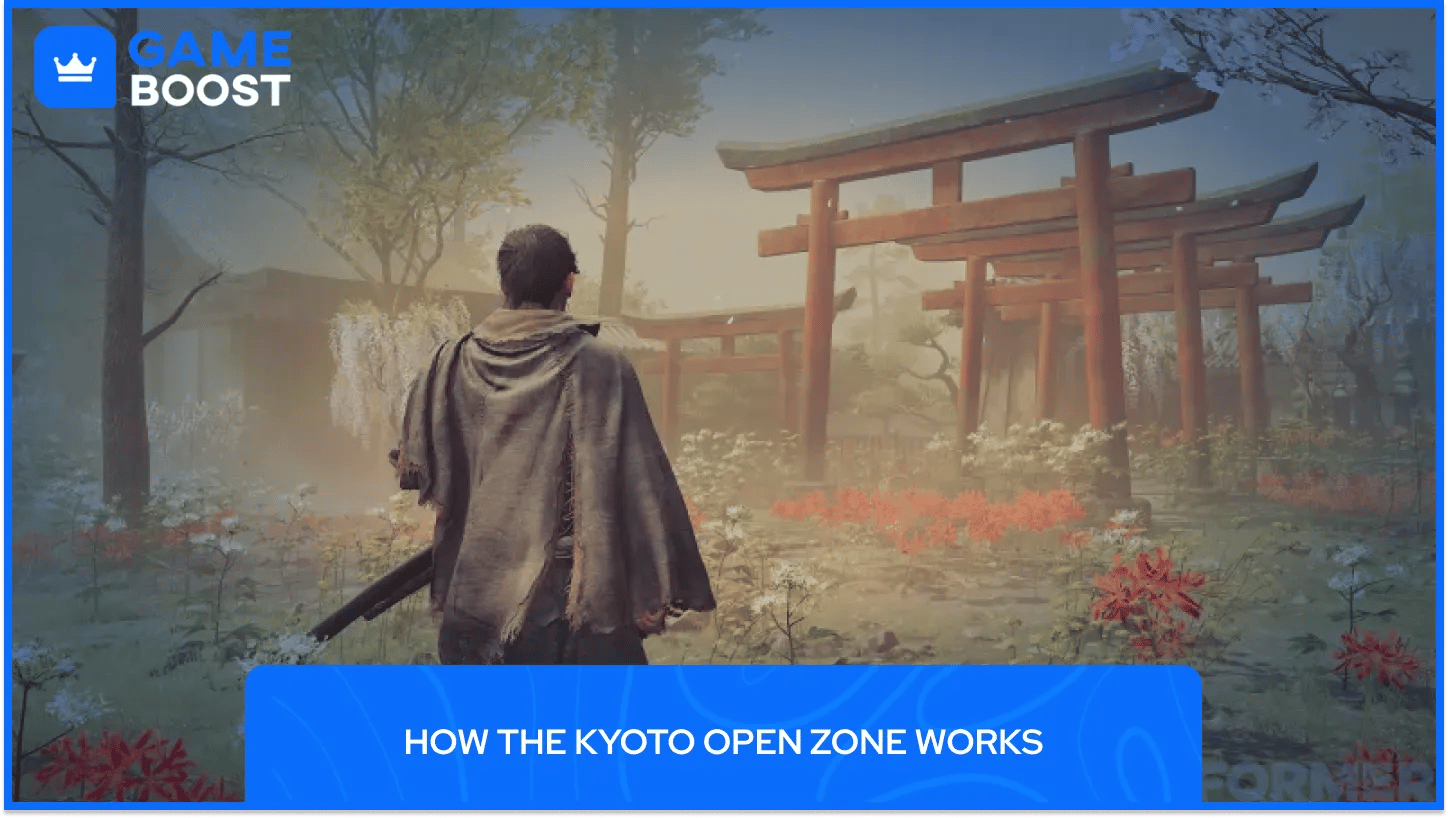
The Onimusha Way of the Sword Kyoto hub opens in Chapter 3, Kyoto, Corrupted. Access is automatic once you return after beating Daidara, and the chapter hands you Charms, the Johari Shard for revealing routes and outfit options at the Spirit Mirror.
Corruption is the core idea. The city begins drained to grayscale, and color returns as you clear it. Rifts are the main tool, magical seals you close to push the corruption back, and each one in that chapter pays out Malicite x2.
We liked the first few blocks of color coming back. The effect loses its pull over time, and the streets start to feel like a checklist.
Early objectives are simple: find four treasures in Eastern Kyoto, seal the northern and western Rifts, and report to Takamura to close the chapter.
Kyoto holds four main types of side content, plus treasures and scattered crafting materials.
Activity | Count | What you get |
|---|---|---|
Mysteries of Kyoto | 8 | Folklore quests for Lady Murasaki |
Lion Dogs | 36 | Sword appearances, a trophy for all 36 |
Chance Encounters | 18 | Optional fights and events |
Genma Notes | 23 | Lore, found through Oni Glyphs |
Lion Dog locations appear after you finish What Lurks in the Shadows. They show up as pawprint icons on the map, and the Curious Cases menu tracks your total. You can collect them in free roam any time before the final mission.
The Mysteries were the only activity we'd call worth your evening. They lean on local mythology, as in The Night Parade. Combat encounters mostly hand out upgrade materials, and passive enemy design makes them drag.
Spirit Mirrors are the fast travel points. They also handle gear upgrades and outfit changes, so they double as your base. Eastern Kyoto has the most of them, which makes hopping between districts quick.
Kyoto is heavy on guidance. NPCs point you toward every marker, and a spirit companion keeps explaining mechanics you already know.
Our approach by mid-game was to rush through the hub toward the next story chapter. We only returned for side content when a specific upgrade needed materials, and the pacing held up far better than chasing every icon.
Kyoto is a detour from what the game does best. The Issen duels and boss fights live in the story levels, and the open zone mostly feeds them materials. Mount Oe gets tangled, with nine Spirit Mirrors across four levels, so note where you last saved.
A 100% run adds real hours on top of the roughly 20-hour story. If folklore is your thing, do the eight Mysteries and leave the rest until a specific upgrade asks for it.
Onimusha: Way of the Sword Game Key
View all GameBoost Game Keys
View all GameBoost Accounts
View all GameBoost Boosting Services
View all GameBoost Currencies
View all GameBoost Gift Cards
View all GameBoost Top Ups
View all GameBoost Items
“ A former sports journalist and editor, Patrik joined Gameboost SEO team in 2026. He has spent most of his life playing Football Manager, but his sphere of interests spreads through whole gaming universe.”